Mission Valley Ford Trucks in San Jose, CA understands the importance of compliance with the California Air Resources Board (CARB) regulations. CARB plays a crucial role in maintaining air quality across the state by setting and enforcing strict emissions standards. As a Ford dealership, we are here to guide you through the process of CARB testing, explaining the different types of tests and their significance.
What is CARB Testing?
CARB testing refers to a series of procedures aimed at ensuring vehicles meet California’s stringent emission standards. These tests are essential for reducing harmful air pollutants and promoting cleaner air in our communities. Vehicles in California, whether new or used, must pass CARB testing to be registered or stay in operation on the roads.
Types of CARB Testing
There are several types of emissions tests that your vehicle may undergo. While each test measures different aspects of your vehicle’s emissions system, they all have the same goal: ensuring that your vehicle complies with CARB’s air quality standards.
OBD Testing (On-Board Diagnostics)
The OBD test is one of the most common forms of emissions testing for vehicles with pre-2018 alternative fuel engines and vehicles with 2013 or newer diesel engines. Modern cars, trucks, and SUVs come equipped with an on-board diagnostic system that monitors the vehicle’s emission control systems. During an OBD test, the vehicle’s computer system is connected to a diagnostic tool that checks for any fault codes related to emissions. If the system detects an issue, such as a malfunctioning catalytic converter or oxygen sensor, the vehicle will fail the test.
Visual Inspections
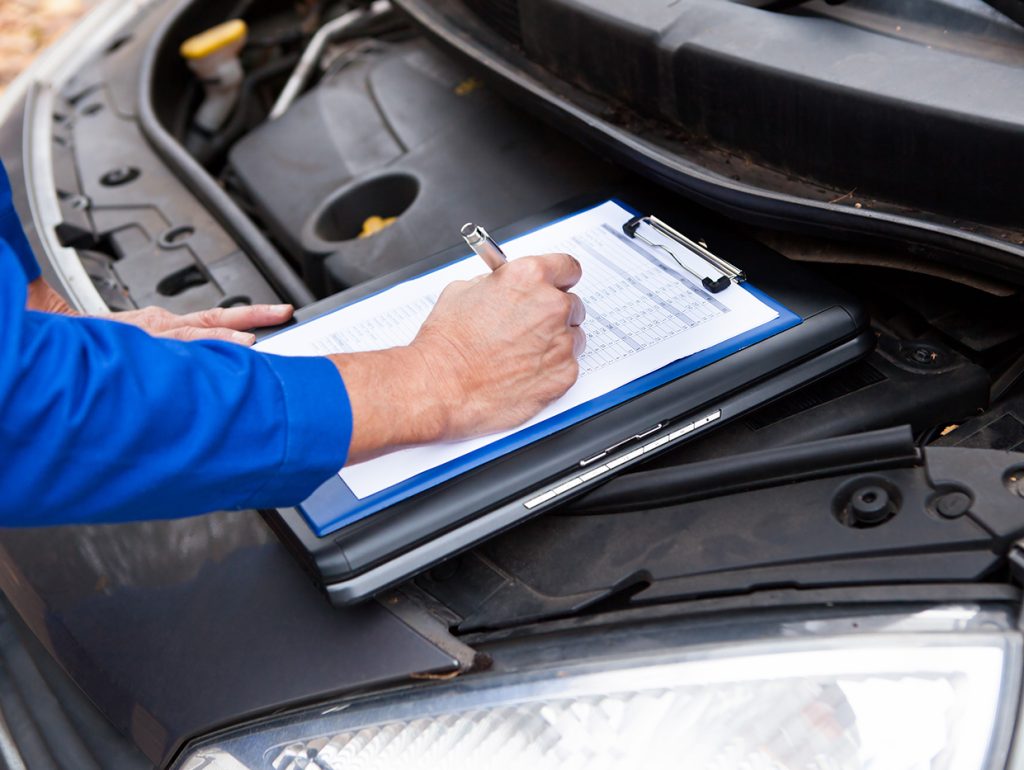
Before conducting any diagnostic tests, our technicians perform thorough visual inspections to assess the overall condition of your vehicle’s emissions system. During this inspection, they examine the exhaust system, catalytic converter, and sensors for any visible damage. They also look for leaks or signs of wear in critical components like hoses, seals, and fittings, all of which can significantly impact the vehicle’s ability to control emissions. A careful visual inspection helps identify any apparent issues that could cause the vehicle to fail its CARB test, allowing for repairs to be made before the vehicle moves on to more in-depth testing.
Functional Testing
Once the visual inspection is complete, functional testing is conducted to verify that every part of the emissions system is operating correctly. This involves testing key components, including the catalytic converter, which must efficiently reduce emissions; the oxygen sensors, which regulate the air-fuel mixture in the engine; and the Exhaust Gas Recirculation (EGR) system, responsible for lowering nitrogen oxide emissions. If any of these systems aren’t functioning as intended, your vehicle may not pass the CARB test, and repairs will be necessary to bring the vehicle into compliance.
Smoke Opacity Testing
Smoke testing is primarily used for pre-2013 diesel-powered vehicles and pre-2018 alternative fuel vehicles. This test involves measuring the density of visible emissions from the exhaust system by checking how much light is blocked by the exhaust fumes. If excessive smoke is present, it may indicate problems with the engine or exhaust system that could lead to higher emissions. A higher opacity level indicates a greater amount of particulate matter in the smoke, which is harmful to air quality. Vehicles that fail the smoke test may need repairs before they are allowed to pass CARB regulations.
Smog Testing
Smog testing is a general term that refers to the emissions test required for most vehicles to renew registration in California. This includes a combination of OBD testing and, in some cases, tailpipe testing to measure the levels of pollutants like carbon monoxide, nitrogen oxides, and hydrocarbons. Smog testing is typically required every two years for vehicles older than 6 years, and the results will determine whether the vehicle is eligible for renewal or requires repairs.
Why CARB Testing Matters
For residents of San Jose, CA, CARB testing is not just a legal requirement—it’s an important step toward cleaner air. By ensuring your vehicle complies with CARB’s standards, you help reduce air pollution and contribute to a healthier environment for everyone. Regular testing also helps keep your vehicle in top running condition, as failing a test often means that there is an underlying issue with the engine or exhaust system that needs attention.
Get Your Vehicle Ready for CARB Testing at Mission Valley Ford Trucks
At Mission Valley Ford Trucks, we are committed to helping you stay compliant with CARB regulations. Whether you need assistance with your vehicle’s smog check, need to diagnose issues related to OBD testing, or require repairs to pass smoke or opacity testing, our team of experienced technicians is here to help. Visit us in San Jose, CA, to learn more about CARB testing or to schedule a service appointment.
Our Ford Dealership also offers a wide selection of new and pre-owned Ford trucks that are CARB-compliant, so you can enjoy peace of mind knowing that your vehicle meets California’s emission standards. Explore financing options through our Apply for Financing page. Our team is here to provide the guidance and support you need to keep your vehicle running efficiently and in compliance with all regulations.
Connect with us


