
Blog / San Jose Ford Dealer

Leasing Ford Trucks in San Jose, CA: The Smart Choice for Drivers

Leasing a Ford truck at Mission Valley Ford in San Jose, CA, offers an ideal solution for drivers who demand the best in performance, reliability, and technology. Whether you’re a business owner managing a fleet or an individual seeking a versatile, high-performance truck, leasing provides a cost-effective way to access the latest models without the long-term financial commitment of traditional ownership.

The Benefits of Leasing a Ford Truck

Leasing offers drivers unparalleled flexibility, allowing you to drive the newest models every two or three years. This ensures that you’re always behind the wheel of the latest Ford trucks, equipped with the most advanced features and technology. Leasing often results in lower monthly payments compared to financing a full purchase, making it easier to enjoy a premium truck without breaking the bank.

Ford trucks are known for their engineering excellence and durability. Leasing allows you to drive a truck like the F-150 or the Super Duty, trusted for their reliability and high performance, without the burden of long-term ownership.

Access to Advanced Features and Technology

One of the key advantages of leasing is the ability to enjoy Ford’s latest innovations, from the powerful F-150 to the compact yet capable Maverick. Ford’s trucks are equipped with cutting-edge technology, such as Ford Co-Pilot360™ safety features and the BlueCruise™ hands-free driving system, which make every drive safer and more convenient.

For professionals who rely on their trucks for their livelihoods, leasing ensures access to the most reliable and advanced trucks on the market, offering powerful engines like the 3.5L EcoBoost V6 and top-tier safety features that help ensure peace of mind on the road.

Reduced Maintenance Costs and Peace of Mind

Leasing a Ford truck is a practical choice for minimizing maintenance costs. Most lease agreements align with the manufacturer’s warranty, meaning that you’ll likely have little to no out-of-pocket expenses for maintenance and repairs during the lease period. This offers drivers in San Jose, CA, peace of mind knowing that they can focus on their work or personal life without worrying about unexpected vehicle expenses.

Additionally, Ford’s Mobile Service and Pickup & Delivery programs make it easy to maintain your truck without disrupting your busy schedule. These services ensure your truck receives expert care while you continue with your daily activities, offering a level of convenience that can be crucial for busy professionals and families.

Ford’s Impressive Lineup of Trucks

Ford’s truck lineup offers something for everyone, whether you need a workhorse or a truck with advanced features for daily driving. Here’s a look at some of the popular models and their key features:

  • F-150 XL
    Starting MSRP: $38,610
    Engine: 2.7L V6, 325 hp, 400 lb-ft
    Features: 12” LCD Touchscreen, 17” Steel Wheels
  • F-150 Lariat
    Starting MSRP: $65,045
    Engine: 5.0L V8, 400 hp, 410 lb-ft
    Features: 20” Chrome-Like PVD Wheels, Leather Trim
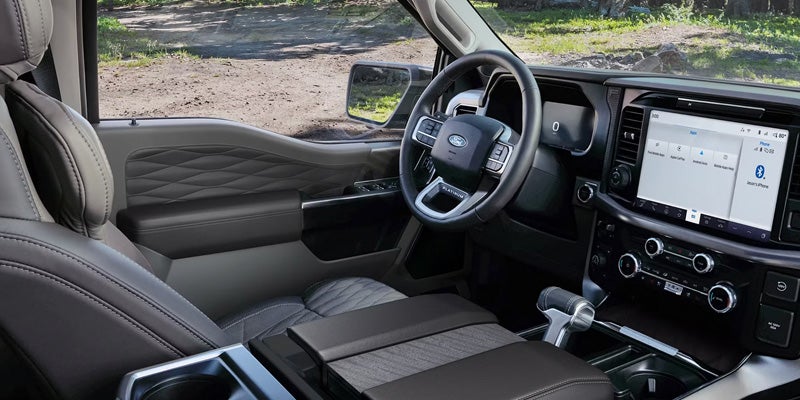
  • F-150 Platinum
    Starting MSRP: $73,525
    Engine: 3.5L V6, 400 hp, 500 lb-ft
    Features: 20” Gloss Black Wheels, B&O Sound System
  • Maverick XL
    Starting MSRP: $23,920
    Engine: 2.0L I4, 238 hp, 277 lb-ft
    Features: 8” Touchscreen, Apple CarPlay™, Android Auto™
  • Maverick Lariat
    Starting MSRP: $35,585
    Engine: 2.5L Hybrid, 191 hp
    Features: 13.2” Screen, 18” Machined-Face Aluminum Wheels

From the work-ready F-150 XL with a 2.7L EcoBoost V6 to the luxurious F-150 Platinum with a 3.5L EcoBoost V6 and 500 lb-ft of torque, Ford’s lineup provides a wide range of trucks that meet the needs of both business owners and individual drivers.

Leasing for the Future

Leasing a Ford truck in San Jose, CA, provides drivers with an outstanding combination of affordability, flexibility, and access to cutting-edge technology. From lower monthly payments to the ability to drive the latest and most powerful trucks, leasing is a smart choice for those who want to stay ahead of the curve.

Visit Mission Valley Ford today to explore our full range of Ford trucks and discover how leasing can provide you with a truck that fits your needs and lifestyle. Experience the innovation and performance of a Ford truck for yourself and take the next step in driving excellence.
Posted in:

Related Posts

Ford EV vehicle driving on a city street

Ford EV Ownership Guide: Could Going Electric Help You Beat High Gas Prices?

With gas prices continuing to affect household budgets and business operating costs, more drivers are looking at electric vehicles as an alternative to traditional gas-powered models. For San Jose drivers and businesses, switching to a Ford electric vehicle could offer an opportunity to reduce fuel expenses, simplify certain maintenance needs, and enjoy the benefits of all-electric driving. Ford's electric lineup includes options for different lifestyles and work requirements, from the Mustang Mach-E® SUV to the F-150 Lightning® electric pickup and E-Transit™ commercial van. Before making the switch, it's worth understanding what EV ownership actually looks like, how charging works, and whether an electric Ford fits your daily driving needs. Why Consider Switching to an Electric Ford? One of the biggest reasons drivers consider an electric vehicle is the potential to save on energy costs. Instead of purchasing gasoline, EV owners charge their vehicles using electricity. Depending on local electricity rates, charging habits, driving distance, and vehicle efficiency, this can potentially cost less than filling up a traditional gas-powered vehicle. For businesses operating multiple vehicles, those savings can become especially interesting. A company with predictable daily routes and access to overnight charging may be able to reduce its fuel expenses while keeping vehicles ready for the next workday. Electric vehicles also have fewer routine maintenance requirements than traditional gas-powered vehicles. Since they don't use engine oil, spark plugs, or traditional exhaust systems, owners can avoid certain maintenance services associated with combustion engines. Tire rotations, brake inspections, cabin air filters, and other routine checks are still important, but the maintenance schedule can look different. For drivers tired of watching the gas pump total climb, an electric Ford is worth considering. Which Ford Electric Vehicle Is Right for You? Ford offers electric vehicles designed around different driving needs. The right model depends on whether you're commuting, transporting equipment, or managing a commercial fleet. The Mustang Mach-E® is an all-electric SUV that combines everyday practicality with responsive electric performance. It's a good option for drivers who want an electric vehicle for commuting around San Jose, running errands, and taking longer highway trips. The F-150 Lightning® brings electric power to the pickup truck segment. It offers the familiar functionality of an F-150 with the added benefits of an all-electric powertrain. For businesses and truck owners who want pickup capability without gasoline, the Lightning is an option worth exploring, depending on current model availability. For commercial customers, the E-Transit™ provides an all-electric alternative to a traditional cargo van. Businesses with local delivery routes, service operations, or predictable daily driving schedules may find an electric commercial van worth considering. Each vehicle serves a different purpose, so think about your daily mileage, cargo requirements, passenger needs, and access to charging before choosing. Charging Your Ford EV: What Should You Know? One of the biggest adjustments to EV ownership is changing how you think about refueling. Instead of stopping at a gas station, many electric vehicle owners charge at home while their vehicle is parked overnight. Home charging is often the most convenient option for drivers with access to a dedicated parking space and the ability to install a compatible charging station. You can plug in when you get home and start the next day with additional driving range. Public charging is another option, particularly when traveling longer distances or when home charging isn't available. Depending on the charging station and vehicle, you may be able to use Level 2 charging or DC fast charging to add range while you're away from home. Before purchasing an electric vehicle, consider where you'll charge it most often. San Jose drivers should look at their home parking situation, workplace charging availability, and the public charging stations along their regular routes. How Far Can You Drive on a Ford EV? Driving range is one of the most common questions prospective EV owners have. The answer depends on the model, battery configuration, driving conditions, and how the vehicle is used. For example, the Ford F-150 Lightning has offered EPA-estimated ranges of up to 320 miles with select extended-range configurations. Actual range varies with factors such as temperature, speed, payload, terrain, and towing. Towing and hauling deserve additional consideration, especially for commercial truck buyers. Pulling a heavy trailer can significantly reduce electric driving range, so businesses should evaluate their regular routes and charging opportunities before choosing an electric pickup. For a driver commuting around San Jose or a delivery business following consistent local routes, an EV may fit naturally into the workday. For businesses regularly traveling long distances or towing heavy equipment, a gas or diesel Ford truck may remain the more practical choice. Are Electric Vehicles More Affordable to Maintain? EV ownership can offer maintenance advantages because electric motors have fewer moving parts than traditional gasoline engines. There's no engine oil to change, and regenerative braking can help reduce wear on traditional brake components. However, electric vehicles aren't completely maintenance-free. Tires, suspension components, brakes, cabin air filters, and other systems still require attention. Battery condition and charging habits are also important parts of long-term ownership. Ford electric vehicles include high-voltage battery warranty coverage, with coverage generally extending to 8 years or 100,000 miles, whichever comes first, subject to the applicable vehicle warranty terms. When comparing the cost of ownership, look beyond the initial purchase price. Consider electricity rates, insurance, maintenance, charging equipment, driving habits, and available vehicle incentives or offers. Explore Ford Electric Vehicles at Mission Valley Ford High gas prices have plenty of drivers rethinking what they spend at the pump. Whether you're interested in an electric SUV for your daily commute or exploring an electric commercial vehicle for your business, understanding the costs and benefits of EV ownership is the first step. Mission Valley Ford Trucks serves San Jose drivers and businesses looking to explore Ford's latest vehicle technology. Visit our Ford electric vehicle FAQ page to learn more about charging, range, and ownership, or browse our new Ford inventory to explore available models. Our team can help you compare powertrain options and find a Ford that fits your driving or business needs.

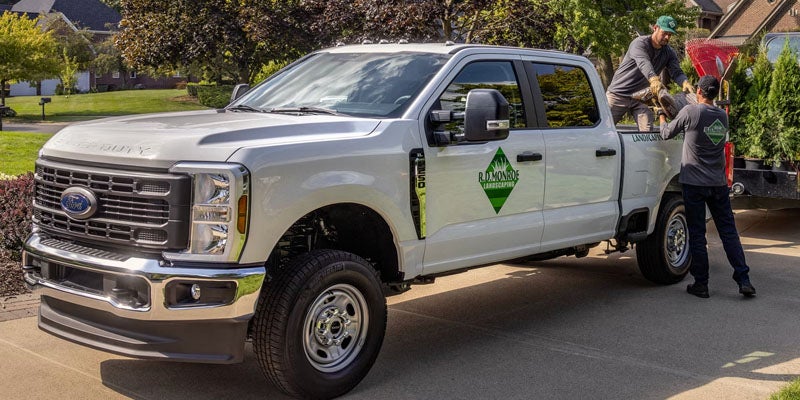
Silver Ford Super Duty truck with workers loading landscaping equipment.

Section 179 Tax Deduction: How Businesses Can Benefit When Buying a Commercial Truck

Purchasing a new work truck is a major investment for any business. Whether you're replacing an aging vehicle, expanding your fleet, or purchasing your first commercial truck, it's important to consider the financial benefits that may come with the purchase. One opportunity business owners should know about is the Section 179 tax deduction. Section 179 allows qualifying businesses to deduct the cost of certain business equipment and vehicles in the year they're placed into service rather than depreciating the entire purchase over several years. For San Jose contractors, construction companies, landscapers, and other businesses that depend on commercial trucks, this deduction could make upgrading equipment more financially appealing. Here's what Section 179 is, how it works, and what commercial truck buyers should understand before purchasing a new Ford work truck. What Is the Section 179 Tax Deduction? Section 179 is a provision in the federal tax code that allows businesses to deduct the purchase price of qualifying equipment and vehicles used for business purposes. Instead of spreading the deduction across several years through standard depreciation, eligible businesses may be able to deduct some or all of the qualifying purchase cost in the year the equipment is placed into service. For the 2026 tax year, the maximum Section 179 deduction is $2,560,000. The deduction begins to phase out when total qualifying property purchases exceed $4,090,000. This provision was designed to help businesses invest in equipment and other assets needed to operate and grow. Commercial vehicles, including certain pickups, vans, and work trucks, may qualify depending on their specifications and how they're used. It's important to understand that Section 179 is a tax deduction, not a tax credit. It reduces the amount of income subject to taxation rather than directly reducing your tax bill by the full purchase price. Which Commercial Trucks May Qualify? Not every vehicle qualifies for the same deduction, and vehicle classification matters. Many commercial trucks and vans can qualify for Section 179 treatment, provided they meet the applicable requirements. Certain heavier pickups and cargo vans may also fall outside the special deduction limits that apply to some passenger-oriented SUVs. For example, the IRS provides exceptions to the heavy SUV deduction limit for certain vehicles with qualifying cargo areas of at least six feet in interior length that aren't readily accessible from the passenger compartment. This is particularly relevant for businesses shopping for commercial Ford vehicles. The vehicle's GVWR, body configuration, cargo area, and business use can all affect its eligibility and applicable deduction limits. Always confirm the specific vehicle's classification with your tax professional. Why Section 179 Can Be Helpful for Commercial Truck Buyers For businesses that rely on vehicles every day, upgrading equipment isn't just an expense. It's an investment in productivity, reliability, and the ability to take on more work. Section 179 can make that investment more manageable by potentially allowing businesses to recover qualifying costs sooner through tax deductions. Some potential benefits include: Improved Cash Flow: Rather than spreading eligible deductions over several years, businesses may be able to claim a larger deduction in the year a qualifying vehicle is placed into service. This can help with tax planning and cash flow. Fleet Expansion: Businesses planning to add multiple vehicles may be able to use Section 179 as part of their equipment investment strategy, subject to the annual limits. Upgrading Older Equipment: Replacing an older work truck with a newer model can help businesses maintain dependable transportation while potentially taking advantage of available deductions. Investing in Productivity: A properly equipped commercial truck can help employees transport tools, equipment, and materials more efficiently. For businesses that depend on their vehicles, having the right truck can make a difference every workday. The important thing is to look at the complete financial picture. A potential tax deduction should support a purchase that makes sense for your business, not be the only reason to buy a new vehicle. Does the Truck Have to Be Purchased Before the End of the Year? Timing matters when planning for a Section 179 deduction. Generally, qualifying property must be purchased, acquired, and placed into service during the applicable tax year. Simply placing an order or signing paperwork before December 31 doesn't necessarily mean the vehicle qualifies for that year's deduction. For example, if your business is planning to purchase a new Ford Super Duty, you'll want to discuss the ordering timeline, delivery date, and when the truck will actually be ready and available for business use with your dealership and tax professional. If you're considering adding a commercial vehicle before the end of 2026, starting the process early can give you more time to review available inventory, discuss ordering options, and understand the timing requirements. Find Your Next Commercial Ford Truck at Mission Valley Ford If your business is planning to invest in a new work truck, now is a great time to explore your options. From the Ford F-150 to the heavy-duty Super Duty lineup and commercial Transit vans, Mission Valley Ford Trucks offers vehicles designed to help San Jose businesses get the job done. Our team can help you explore commercial Ford inventory, compare available configurations, and discuss ordering options for your business. Whether you're purchasing one work truck or expanding an entire fleet, finding the right vehicle is an important first step. Visit Mission Valley Ford Trucks to browse our new commercial truck inventory and start planning your next business vehicle purchase.

White Ford Transit van being loaded with equipment in a warehouse.

Choosing a Ford Transit® in San Jose Starts with the Work

A commercial van earns its keep by carrying the people, tools, materials, or equipment that make a business run. The 2026 Ford Transit® gives San Jose companies plenty of ways to build around that job, with T-150, T-250, T-350, and T-350 HD configurations, multiple body lengths and roof heights, 2 gas V6 engines, and RWD or available AWD. Cargo capacity can reach 487.3 cu. ft., maximum payload can reach 5,103 lbs., and properly configured gas models can tow up to 6,900 lbs. First, Figure Out What Has to Fit Inside Transit® Cargo Vans come with low, medium, and high roofs and 129.9-inch or 147.6-inch wheelbases, depending on configuration. Overall length starts at 219.9 inches for regular models, reaches 237.6 inches in long configurations, and stretches to 263.9 inches for high-roof extended vans. Cargo volume ranges from 246.7 to 487.3 cu. ft. behind the front seats. A low roof can be easier to live with when San Jose parking structures are part of the route. Medium and high roofs provide more vertical working room for shelving, tools, inventory, and vocational equipment. The correct choice starts with what goes inside the van, not what looks impressive on a specification sheet. T-250 Is the Middleweight That Can Carry Its Share The Transit-250 occupies useful territory between the T-150 and heavier T-350 configurations. Complete-vehicle Cargo Van versions can reach a 9,150-lb. GVWR, with regular and long wheelbases and several roof heights available depending on body configuration. Buyers can also choose RWD or available AWD. For plumbers, electricians, contractors, delivery operations, and mobile-service businesses, T-250 can provide additional capacity for equipment and an upfit without automatically stepping into the highest weight ratings. That's important because commercial vehicles aren't trophies. Capacity earns its place when you're putting it to work. Two V6 Engines, Depending on How Hard You Ask Gas-powered Transit® models offer a 3.5L PFDi V6 producing 275 hp and 260 lbs. ft. of torque or an available 3.5L EcoBoost® V6 with 300 hp and a considerably stronger 400 lbs. ft. of torque. Both pair with a 10-speed automatic transmission, with RWD standard and AWD available. There is no plug-in hybrid Transit® in the U.S. lineup. Businesses interested in electric power can instead consider the E-Transit™, which uses a rear-mounted electric motor producing 198 kW and an 89-kWh battery. Choosing among them should come down to routes, loads, operating needs, and how the van will spend its working hours. A Work Van Should Be Set Up for Work An empty cargo area isn't much help if employees spend every morning digging through it for tools. Ford offers commercial packages designed around specific jobs, including Electrician Trade, General Contractor, Builder's Prep, Upfitter, Wall Liner, and Heavy-Duty Trailer Tow packages. Depending on configuration, these can provide a foundation for shelving, partitions, storage, electrical equipment, and other vocational hardware. Properly equipped gas Transit® models can also tow up to 6,900 lbs. A good upfit isn't decoration. It's about giving tools and equipment a place to live so the person doing the job can spend less time searching for them. Decide if You're Carrying Equipment or People Cargo Van models concentrate on 2 front occupants and working space behind them. Transit® Passenger Vans take a different assignment, with configurations for 12 or 15 passengers. That makes the distinction refreshingly straightforward: tools, deliveries, and mobile operations point toward Cargo Van, while businesses transporting groups should look at Passenger Van configurations. Standard driver-assistance equipment includes Pre-Collision Assist® with Automatic Emergency Braking, Forward Collision Warning, Lane-Keeping System, and Auto High-Beam Headlamps, adding useful support during the miles between jobs. Put the Right Transit® to Work in San Jose Payload, cargo dimensions, roof clearance, drivetrain, towing requirements, and the planned upfit should decide what belongs in your fleet. San Jose businesses can visit Mission Valley Ford Trucks to compare available Ford Transit® inventory, commercial configurations, and upfit options around the work they perform. Once you've narrowed down the van that fits the job, schedule a test drive online.