
Blog

All San Jose Ford Dealer San Jose Community Mission Valley Ford Service San Jose Ford Service San Jose Used Cars Ford F-150 Ford F-250 Ford Trucks Ford F-350 Ford Bronco Ford Ranger EV and Hybrids Ford Commercial Truck Ford Bronco Sport Ford Escape Ranger 2027 Ford Fathom Financing
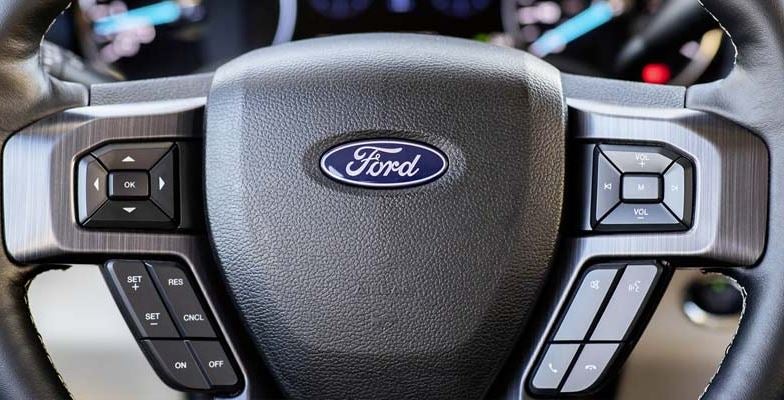
Ford F-350 Steering wheel
in Ford Trucks

Diesel Trucks are Back in California: What Buyers Need to Know

For California businesses that depend on serious towing and hauling capability, diesel power is an important option. And if you've been waiting for a new diesel work truck, there's good news: Mission Valley Ford Trucks can now order and sell new diesel Ford trucks for California customers. The return of new diesel truck availability gives San Jose contractors, construction companies, landscapers, equipment operators, and other commercial customers another powertrain option when choosing their next work truck. The 2026 Ford Super Duty® lineup includes available 6.7L Power Stroke® V8 Turbo Diesel engines, including a standard-output version with 475 horsepower and 1,050 lb.-ft. of torque and an available High Output version producing 500 horsepower and 1,200 lb.-ft. of torque. Yes, You Can Buy a New Diesel Truck in California California's truck regulations have created plenty of confusion around the future of diesel vehicles. But one important fact is easy to overlook: California's Advanced Clean Trucks regulation does not ban diesel-powered trucks. Instead, the regulation requires manufacturers of applicable Class 2b through Class 8 vehicles to sell increasing percentages of zero-emission trucks in California. For model year 2026, the required zero-emission sales percentage is 10% for Class 2b-3, 13% for Class 4-8, and 10% for Class 7-8 under the ACT schedule. CARB has also specifically stated that the Advanced Clean Trucks regulation does not prohibit the registration or operation of diesel-powered vehicles in California. That means California businesses can still have a diesel powertrain option when the job calls for it. Why Choose a Diesel Super Duty for Your Business? For many commercial truck buyers, the appeal of diesel is straightforward: torque. The 2026 Ford Super Duty offers two available 6.7L Power Stroke V8 Turbo Diesel engines. The standard 6.7L Power Stroke produces 475 horsepower and 1,050 lb.-ft. of torque, while the available High Output Power Stroke produces 500 horsepower and 1,200 lb.-ft. of torque. That kind of output can be useful when your truck regularly spends its day towing heavy trailers, hauling equipment, or moving substantial loads. For a construction company pulling an equipment trailer, a contractor towing a loaded gooseneck, or a business that spends long days working with heavy loads, choosing the right powertrain is about more than horsepower. The truck needs to match the actual work. The 6.7L Power Stroke Is Built for Heavy-Duty Work The 2026 Super Duty lineup gives buyers a choice between gas and diesel powertrains, allowing businesses to select an engine based on their workload. The available 6.7L Power Stroke diesel uses a 10-speed TorqShift® automatic transmission and includes a diesel engine exhaust brake. On the 2026 F-450® XL, the 6.7L Power Stroke is standard, while the High Output Power Stroke is available. For commercial customers, that matters because there isn't one definition of a "work truck." A truck used for daily commuting and occasional towing may have different needs than one that spends most of its life pulling trailers between job sites. Diesel vs. Gas: Which Truck Makes Sense? Diesel isn't automatically the right choice for every business. A gas-powered Super Duty can make sense for businesses that primarily haul lighter loads, don't tow frequently, or want a simpler powertrain choice for their particular operation. Diesel can be worth considering when high torque, frequent towing, heavy loads, and long-term commercial use are priorities. California Businesses Have More Powertrain Choices California's commercial vehicle market is changing, but that doesn't mean businesses have to choose a truck without considering their actual work requirements. Ford continues to offer gas and diesel powertrains across the Super Duty lineup, giving commercial buyers options for different applications. The 2026 Super Duty is available with 6.8L and 7.3L gas V8 engines as well as the 6.7L Power Stroke diesel and High Output 6.7L Power Stroke diesel. For San Jose businesses, that means your next work truck can be selected around the job rather than simply choosing whatever powertrain happens to be available. Order Your New Diesel Ford Truck in San Jose If you've been searching for a new diesel truck in California, Mission Valley Ford Trucks is ready to help! Our focus is commercial Ford trucks, including heavy-duty model s designed for businesses that need serious capability. If the diesel configuration you need isn't currently sitting on the lot, our team can discuss ordering options and help you build a truck around your business requirements. The 2026 Ford Super Duty lineup includes F-250®, F-350®, and F-450® models with available Power Stroke diesel power, giving California businesses another option for towing, hauling, and demanding commercial work. Visit Mission Valley Ford Trucks to explore our commercial Ford truck lineup, search available inventory, or contact our team to discuss ordering a new diesel Ford truck for your business in San Jose, CA.

Read More
Ford vehicles lined up outside of Ford dealership for financing

Commercial Finance vs. Retail Finance

When you're buying a truck for your business, choosing the right vehicle is only part of the decision. How you finance that truck can also affect your monthly payments, cash flow, ownership plans, and ability to add vehicles as your business grows. If you're shopping for a Ford commercial truck, understanding the difference between commercial finance and retail finance can make the buying process easier. The right choice depends on how you plan to use the truck, who will own it, how long you expect to keep it, and what works best for your finances. Here's a closer look at commercial and retail financing and some of the questions to consider before choosing a financing option. What Is Commercial Vehicle Financing? Commercial financing is designed specifically around businesses purchasing vehicles for work. Ford Pro™ FinSimple® offers commercial financing and leasing options for businesses of different sizes, including commercial installment financing and commercial lease options. A Commercial Line of Credit can also give approved businesses the ability to finance or lease additional vehicles as needed. For a business that relies on trucks every day, commercial financing can provide a financing structure built around how the vehicle will actually be used. That's particularly relevant for contractors, construction companies, landscapers, electricians, plumbers, delivery businesses, and other operations that depend on work trucks to generate revenue. Commercial financing may also make sense when you're planning to purchase multiple vehicles or grow a fleet over time. Ford Pro's Commercial Line of Credit, for example, can allow an approved business to add vehicles without submitting a completely new application each time, subject to the program's terms and eligibility requirements. What Is Retail Vehicle Financing? Retail financing is the more familiar route for many individual vehicle buyers. Instead of financing the truck specifically as a commercial fleet purchase, the vehicle is financed through a traditional retail auto loan. Retail financing can make sense when you're purchasing a truck primarily for personal use, even if you occasionally use it for work. It may also be appropriate for certain small-business owners depending on how the vehicle will be titled, used, and financed. The important thing is not to assume that one option is automatically better. A business owner should look at the complete picture, including how the truck will be used and what financing structure fits the purchase. Commercial Finance vs. Retail Finance: What Should You Consider? The biggest question is simple: What job is the truck going to do? If you're purchasing a Ford Super Duty® to tow equipment to construction sites every day, carrying tools between customer locations, or building out a larger work fleet, commercial financing may be worth exploring. Ford Pro FinSimple offers commercial installment financing for businesses that want to own their vehicles, with terms of up to 72 months, as well as commercial leasing options designed around different usage and ownership needs. If you're purchasing a truck primarily as a personal vehicle and business use is secondary, retail financing may be a more appropriate place to start. Here are a few questions to ask: Is the truck being purchased primarily for business use? Will the vehicle be titled or registered in the business's name? Are you purchasing one truck or planning to add vehicles to a fleet? How many years do you expect to keep the truck? Will the truck have a commercial upfit or specialized equipment? How many miles will the truck travel each year? Is preserving business cash flow important? Would leasing or purchasing better fit your long-term plans? Your answers can help narrow down which financing route makes sense for your situation. Buying One Work Truck? Commercial Financing Can Still Be an Option You don't need to operate a fleet of dozens of trucks to consider commercial financing. Small businesses can also use Ford Pro financing solutions. A contractor purchasing a single F-250®, a landscaping company adding its first work truck, or an independent business owner replacing an older vehicle may all have different financing needs. Ford Pro specifically offers financing solutions for businesses of different sizes, including small fleets. That's one reason it's worth discussing your intended use with a dealership's commercial truck team before deciding how you want to finance the vehicle. Planning to Keep Your Truck for the Long Haul? Ownership plans can also influence the financing decision. Ford Pro describes Commercial Installment Financing as an option for business owners who expect to keep their vehicles for five or more years and want to own them at the end of the contract. Commercial financing can also accommodate certain add-ons, including eligible upfits and other products depending on the financing arrangement. That can be important for businesses investing in a truck that will be outfitted for a specific job. A service body, utility equipment, towing equipment, or other upfit can turn a standard pickup into a purpose-built work vehicle. What About a Commercial Lease? Buying isn't the only option. A commercial lease can make sense for businesses that want to structure payments around vehicle usage and replacement cycles. Ford Pro's CommerciaLease (TRAC), for example, is an open-ended lease option with terms ranging from 12 to 72 months. Ford notes that it can be useful for businesses expecting high mileage or heavy use, although the business remains responsible for the vehicle's residual value at the end of the lease. Whether leasing or purchasing makes more sense depends on your business's cash flow, mileage, replacement schedule, and plans for the vehicle. Start With the Truck, Then Build the Financing Around the Job There isn't one financing option that is right for every business. A company buying a single truck for occasional work has different needs than a contractor building a fleet of Super Duty pickups, and both are different from a business replacing vehicles on a regular cycle. At Mission Valley Ford Trucks, we can help San Jose-area businesses look at the available Ford commercial trucks and discuss financing options based on how those trucks will be used. From a single work-ready pickup to a growing commercial fleet, the goal is to find a vehicle and financing structure that fit the job. Visit Mission Valley Ford Trucks to explore our commercial truck inventory and learn more about your financing options. You can also view available new Ford trucks or contact our commercial team to start planning your next work truck.
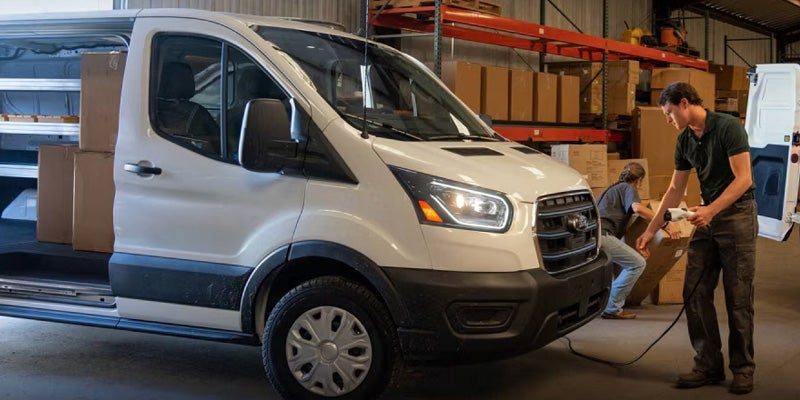
White Ford Transit van being loaded with equipment in a warehouse.

Choosing a Ford Transit® in San Jose Starts with the Work

A commercial van earns its keep by carrying the people, tools, materials, or equipment that make a business run. The 2026 Ford Transit® gives San Jose companies plenty of ways to build around that job, with T-150, T-250, T-350, and T-350 HD configurations, multiple body lengths and roof heights, 2 gas V6 engines, and RWD or available AWD. Cargo capacity can reach 487.3 cu. ft., maximum payload can reach 5,103 lbs., and properly configured gas models can tow up to 6,900 lbs. First, Figure Out What Has to Fit Inside Transit® Cargo Vans come with low, medium, and high roofs and 129.9-inch or 147.6-inch wheelbases, depending on configuration. Overall length starts at 219.9 inches for regular models, reaches 237.6 inches in long configurations, and stretches to 263.9 inches for high-roof extended vans. Cargo volume ranges from 246.7 to 487.3 cu. ft. behind the front seats. A low roof can be easier to live with when San Jose parking structures are part of the route. Medium and high roofs provide more vertical working room for shelving, tools, inventory, and vocational equipment. The correct choice starts with what goes inside the van, not what looks impressive on a specification sheet. T-250 Is the Middleweight That Can Carry Its Share The Transit-250 occupies useful territory between the T-150 and heavier T-350 configurations. Complete-vehicle Cargo Van versions can reach a 9,150-lb. GVWR, with regular and long wheelbases and several roof heights available depending on body configuration. Buyers can also choose RWD or available AWD. For plumbers, electricians, contractors, delivery operations, and mobile-service businesses, T-250 can provide additional capacity for equipment and an upfit without automatically stepping into the highest weight ratings. That's important because commercial vehicles aren't trophies. Capacity earns its place when you're putting it to work. Two V6 Engines, Depending on How Hard You Ask Gas-powered Transit® models offer a 3.5L PFDi V6 producing 275 hp and 260 lbs. ft. of torque or an available 3.5L EcoBoost® V6 with 300 hp and a considerably stronger 400 lbs. ft. of torque. Both pair with a 10-speed automatic transmission, with RWD standard and AWD available. There is no plug-in hybrid Transit® in the U.S. lineup. Businesses interested in electric power can instead consider the E-Transit™, which uses a rear-mounted electric motor producing 198 kW and an 89-kWh battery. Choosing among them should come down to routes, loads, operating needs, and how the van will spend its working hours. A Work Van Should Be Set Up for Work An empty cargo area isn't much help if employees spend every morning digging through it for tools. Ford offers commercial packages designed around specific jobs, including Electrician Trade, General Contractor, Builder's Prep, Upfitter, Wall Liner, and Heavy-Duty Trailer Tow packages. Depending on configuration, these can provide a foundation for shelving, partitions, storage, electrical equipment, and other vocational hardware. Properly equipped gas Transit® models can also tow up to 6,900 lbs. A good upfit isn't decoration. It's about giving tools and equipment a place to live so the person doing the job can spend less time searching for them. Decide if You're Carrying Equipment or People Cargo Van models concentrate on 2 front occupants and working space behind them. Transit® Passenger Vans take a different assignment, with configurations for 12 or 15 passengers. That makes the distinction refreshingly straightforward: tools, deliveries, and mobile operations point toward Cargo Van, while businesses transporting groups should look at Passenger Van configurations. Standard driver-assistance equipment includes Pre-Collision Assist® with Automatic Emergency Braking, Forward Collision Warning, Lane-Keeping System, and Auto High-Beam Headlamps, adding useful support during the miles between jobs. Put the Right Transit® to Work in San Jose Payload, cargo dimensions, roof clearance, drivetrain, towing requirements, and the planned upfit should decide what belongs in your fleet. San Jose businesses can visit Mission Valley Ford Trucks to compare available Ford Transit® inventory, commercial configurations, and upfit options around the work they perform. Once you've narrowed down the van that fits the job, schedule a test drive online.

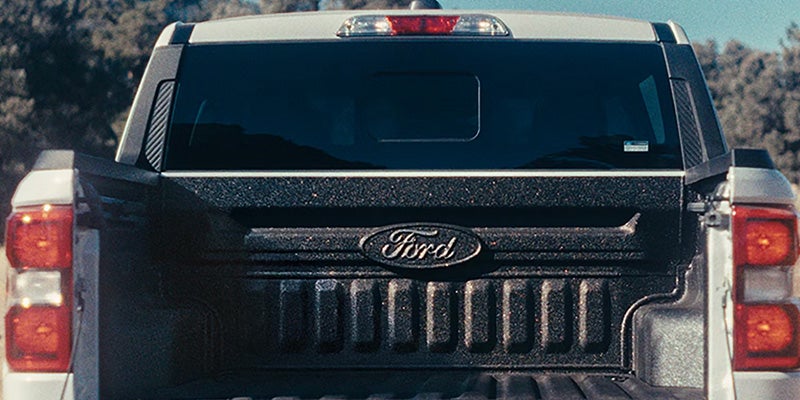
Rear view of a Ford pickup truck with a bed cover.

New Ford Fathom™: What We Know So Far

Ford is taking a different swing at the electric truck with the new Ford Fathom™. Due in 2027, it’s a midsize EV pickup built on Ford’s new Universal Electric Vehicle Platform. That price is going to get attention. The bigger question is how much truck Ford can deliver for it. We don’t have every answer yet, but the details Ford has released give us a decent idea of what the Fathom™ is supposed to be. A New Kind of Ford EV The Fathom™ will be the first vehicle built on Ford’s Universal Electric Vehicle Platform. Rather than adapting an existing gas-powered vehicle for an electric drivetrain, Ford developed this architecture specifically for a new generation of more affordable EVs. Ford hasn’t released horsepower, torque, battery capacity, EPA-estimated range, charging speed, towing capacity, or payload figures yet. Those are some pretty big blanks for a pickup, so there’s still a lot we need to learn before judging its capability. We do know Ford is aiming for more interior room than its midsize dimensions might suggest. The company projects the Fathom™ will have more passenger volume than the Toyota RAV4. For drivers around San Jose, CA who want a truck without dealing with full-size pickup dimensions every day, that could be one of its strongest selling points. Plenty of Technology Comes Standard Ford isn't treating the lower starting price as an excuse to gut the cabin. Every new Ford Fathom™ will get a large touchscreen with navigation powered by Apple Maps, along with Apple CarPlay® and Android Auto™ compatibility. Digital Key will allow a compatible device to serve as the vehicle key, and owners will be able to access connected functions remotely through the Ford app. The Fathom™ will also be BlueCruise capable. Ford describes it as next-generation BlueCruise capability, although we’ll have to wait for more information about exactly what changes or improvements that brings. Bidirectional Power Could Be a Big Deal One of the more interesting, confirmed features has little to do with the touchscreen. The Fathom™ will support bidirectional power, meaning its battery won’t only take electricity in. It will also be able to send stored energy back out for compatible uses. Ford hasn’t released output figures or all the details about what equipment will be required. Still, there’s obvious potential here. Portable battery power could come in handy at a jobsite, campsite, tailgate, or anywhere else you’d rather not drag along a separate generator. That feature makes sense on a pickup. It turns the battery into something useful even when the truck isn't moving. What We Still Need to Know There are a few numbers that will ultimately decide how good this truck is. Range is an obvious one, especially for California drivers covering longer distances. Charging speed matters nearly as much. Truck buyers will also want firm towing and payload ratings before deciding if the Fathom™ can replace their current pickup. Then there's the standard-range battery itself. Until those details arrive, it's better to think of the Fathom™ as promising rather than proven. The New Ford Fathom™ Arrives in 2027 Preorders are expected to open in early 2027, with more specifications likely to arrive as launch gets closer. Drivers around San Jose, CA, can visit Mission Valley Ford Trucks to learn more about Ford's current truck and EV lineup and keep up with new Fathom™ availability. Once we have the range, charging, towing, and payload numbers, we'll have a much clearer idea of what Ford's affordable electric truck can really do.

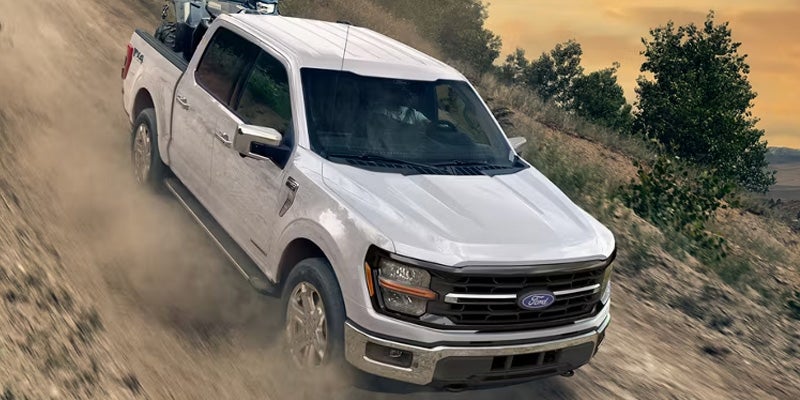
White Ford pickup truck driving through a dusty off-road trail.

Best Ford Chassis Cab and Upfit Options for Construction Companies

When you run a construction business, your vehicles need to do more than just move gear from one job site to the next. You need a platform that can be customized to match your exact workflow. That is exactly where a Ford chassis cab comes in. Unlike a standard pickup, a chassis cab gives you a cab and frame without a factory-installed bed, leaving the rear of the truck open for purpose-built equipment. For construction crews in San Jose, CA, that kind of flexibility can make a real difference in day-to-day operations. Understanding the Ford Super Duty Chassis Cab Platform The Ford Super Duty lineup is the foundation for most heavy-duty work truck builds. The Super Duty earned recognition as the No. 1 heavy-duty truck for new-vehicle quality according to J.D. Power. A Ford chassis cab version of the Super Duty, available in configurations like the F-350, F-450, F-550, and F-600, provides a rugged frame designed to handle demanding payloads and upfits. These trucks are built with the strength and engineering needed to support specialized bodies and equipment. Popular Ford Upfit Options for Construction Use One of the biggest advantages of choosing a Ford chassis cab is the wide range of upfit options available. Depending on your trade, you might consider a flatbed body for transporting materials and equipment, a service body with lockable compartments, a dump body, or a crane or mechanics body for on-site maintenance and repairs. Each of these options can be installed by a certified upfitter and tailored to meet the specific demands of your job. The result is a truck that is configured exactly the way your crew needs it, not just a generic vehicle you have to work around. Choosing the Right Chassis Cab Configuration Selecting the right Ford chassis cab starts with understanding your payload and towing requirements. The F-350 is a strong choice for lighter commercial applications, while the F-550 and F-600 step up to handle heavier loads and larger upfit bodies. Cab style, wheelbase length, and rear axle configuration all play a role in determining which build is right for your operation. It is worth working closely with a knowledgeable dealer who understands commercial vehicle needs to make sure you land on a configuration that fits your workload without overbuilding or undersizing your truck. Ford Technology That Supports Jobsite Productivity Ford chassis cabs are not just built tough - they also come equipped with technology that helps keep your crew connected and productive. Available features like Ford Co-Pilot360® technology provide driver-assistance tools that can help reduce accidents on busy job sites and during long hauls. An available in-vehicle Wi-Fi hotspot keeps your team connected whether you are on-site or on the road. These tech features, combined with the durability of the Super Duty platform, make a strong case for building your construction fleet around a Ford chassis cab. Visit Mission Valley Ford Trucks for Your Next Work Truck If you are ready to explore Ford chassis cab options for your construction business, the team at Mission Valley Ford Trucks is here to help. If you are outfitting a single truck or building out an entire fleet, you can browse available inventory, explore Ford upfit options, and find the right Super Duty configuration to get the job done right. Visit missionvalleyford.com to get started and see what is available for drivers and business owners throughout San Jose, CA.

Mechanic checking engine oil level with a dipstick under the hood.

How Often Should You Schedule Commercial Truck Service in San Jose, CA?

If your business depends on trucks, keeping up with maintenance is essential. No matter if you're running a single work truck or managing a full fleet, staying on top of commercial truck service in San Jose, CA, can mean the difference between a productive workday and an unexpected breakdown on the job. Understanding the right service intervals helps protect your investment and keeps your drivers safe. Why Service Intervals are Important for Commercial Trucks Commercial trucks work harder than the average passenger vehicle. They haul heavy loads, log more miles, and often operate in demanding stop-and-go conditions - all of which put additional stress on critical components. Skipping or delaying commercial truck service can lead to accelerated wear, costly repairs, and downtime that disrupts your operations. Ford trucks are built to handle tough jobs, but even the most durable vehicles need regular attention to perform at their best. General Service Milestones to Follow The right service schedule depends on factors like mileage, load weight, driving conditions, and the specific model you're operating. That said, there are some general guidelines most commercial truck owners should follow. Oil and filter changes are typically recommended every 5,000 to 10,000 miles for diesel-powered trucks, though your owner's manual will specify the right interval for your engine. Tire rotations and brake inspections should be done every 10,000 to 15,000 miles, and transmission fluid checks are usually recommended around every 30,000 miles. For trucks handling heavier commercial loads, some of these intervals may need to be shortened. Ford truck service should always be performed using OEM-approved parts to maintain your vehicle's warranty and long-term reliability. Seasonal and High-Use Considerations for Commercial Truck Service Working conditions significantly affect how quickly your truck wears down. Trucks used for towing, hauling construction materials, or frequent highway driving may need more frequent service than trucks used for lighter-duty tasks. It's also worth scheduling a full inspection at least once a year, regardless of mileage. Technicians can catch issues early - like worn belts, leaking seals, or low fluid levels - before they become expensive problems. Staying proactive with service reduces the likelihood of being sidelined at the worst possible time. Ford's Built-In Service Support Ford vehicles come with access to owner support tools that make it easier to manage your maintenance schedule. Through Ford's resources, owners can track service history, access vehicle information, and stay informed about recommended maintenance intervals for their specific truck. If you're managing one Super Duty or an entire fleet of F-150s, having that information at your fingertips helps you plan ahead. Commercial truck service is most effective when it's consistent and well-documented. Keeping accurate service records also adds value to your trucks if you decide to upgrade or trade in down the road. Keep Your Commercial Trucks Running at Their Best Staying ahead of maintenance is the smartest thing a business owner can do for their fleet. No matter if your trucks are racking up highway miles or grinding through daily local routes, routine service is what keeps them reliable and road-ready. The service experts at Mission Valley Ford Trucks are here to help you build a service plan that fits your operation. Visit missionvalleyford.com to learn more about available service options and schedule your next appointment.

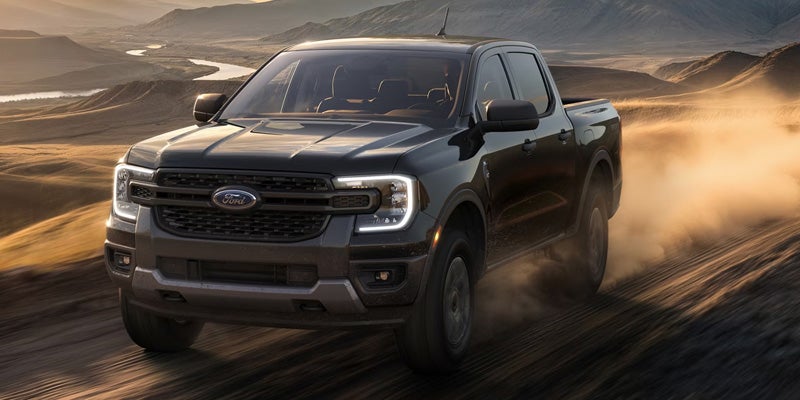
a black 2026 Ford Ranger truck drives through a dusty, sandy region

Ford’s First-Time Buyer Program Enhancements Available at Mission Valley Ford

At Mission Valley Ford, we are thrilled to announce that Ford Motor Credit has launched its newly Enhanced & Extended First-Time Buyer (FTB) Pilot Program. Running through December 31, 2026, this joint initiative with Ford Motor Company makes driving off the lot in a brand-new or certified pre-owned vehicle easier and more affordable than ever. Ford has significantly slashed upfront requirements and expanded vehicle eligibility so you can secure a great ride without the typical hurdles of having no prior auto credit history. Here is everything you need to know about this game-changing program. Eligible Vehicles: From Rugged Trucks to Sleek EVs Whether you need a family SUV, or a work-ready truck, Ford has included its most popular models in this program. The expanded vehicle eligibility includes: New Vehicles: Bronco, Bronco Sport, Escape, Explorer, F-150, F-150 Lightning, Maverick, Mustang, Mustang Mach-E, and Ranger. Pre-Owned Vehicles: Select used vehicles up to five years old. Simple Qualifications to Get Started Ford has kept the core criteria straightforward to maximize accessibility, including: Credit Profile: Minimum 620 FICO score with no prior auto tradelines, and no history of repossessions, charge-offs, or bankruptcies. Flexible Terms: Up to 84 months on standard retail financing (or 66 months for Flex Buy) for personal use vehicles. Financing Caps: Up to 105% Loan-to-Value (LTV) with a maximum of $50,000 financed. Visit Mission Valley Ford Today! This special pilot program runs for a limited time and concludes on December 31, 2026. There has never been a better opportunity to participate in Ford's First Time Buyer program to drive away in the Ford vehicle of your dreams. Contact Mission Valley Ford or visit our dealership in San Jose, CA to get started.

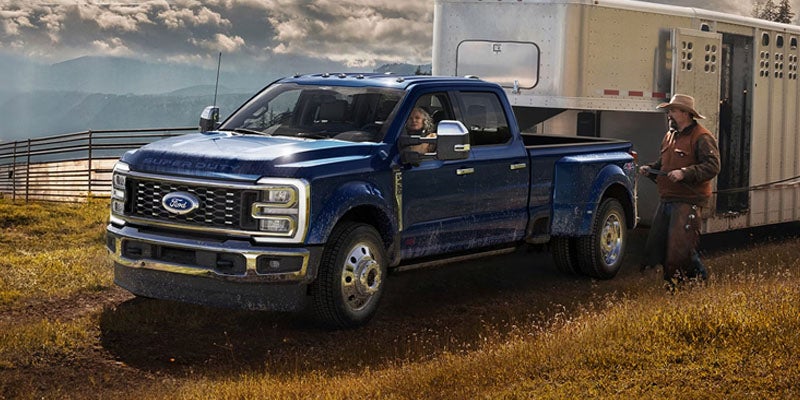
Blue Ford Super Duty pickup truck towing a horse trailer on a rural ranch with a driver and rancher standing nearby.

2026 Ford F-250 vs. F-350 Comparison: Which Super Duty Is Right for You?

If you're in the market for a heavy-duty work truck, the 2026 Ford F-250 vs. F-350 comparison is a decision that many buyers consider. Both trucks come from Ford's legendary Super Duty lineup, and at first glance, they can look nearly identical. But the differences between them are important— especially if you're planning to tow, haul, or work hard every day. Understanding the F-250 vs. F-350 's key differences comes down to how much you need to pull and carry, and how you'll use the truck on and off the job site. Payload and Towing: Where the Numbers Tell the Story The most meaningful comparison starts with capability. The F-250 is rated for up to 22,000 lbs of conventional towing, 23,000 lbs of gooseneck/fifth-wheel towing, and 4,302 lbs of payload. But the F-350 steps things up further with a higher gross vehicle weight rating (GVWR) and max payload up to 7,635 lbs. If you regularly tow large fifth-wheel trailers, heavy equipment, or commercial loads, the F-350's max gooseneck towing of 38,000 lbs give you a meaningful safety margin and added flexibility. For lighter towing and everyday hauling, the F-250 handles the job without the added bulk. Engine Options and Performance Both the F-250 and F-350 share the same powertrain choices, which is great news for buyers on either side of the fence. You can expect access to four engines: a 6.8L V8 (405 hp, 445 lb-ft), a 7.3L V8 (430 hp, 485 lb-ft), a 6.7L Power Stroke diesel (475 hp, 1,050 lb-ft), and a 6.7L High Output Power Stroke diesel (500 hp, 1,200 lb-ft) across both models. The real performance difference shows how each truck handles its rated loads. The F-350's stronger axle ratings and reinforced chassis allow it to carry and tow at the higher end of its specs with greater confidence. Drivers in San Jose, California, who work in construction, landscaping, or towing industries will appreciate that added engineering headroom. Cab, Bed, and Configuration Choices One of the often-overlooked F-250 vs. F-350 key differences is the configuration variety available. Both trucks offer Regular Cab, SuperCab, and Crew Cab options, along with 6.75-foot and 8-foot bed choices. This makes it easy to find a layout that fits your lifestyle, whether you need maximum passenger space or maximum cargo length. The F-350 also opens the door to dual rear wheel (DRW) configurations — commonly called "dually" — which the F-250 does not offer. If you're pulling a wide-body fifth wheel or need maximum stability under load, that dually option on the F-350 can be a deciding factor. Trim Levels and Features The 2026 Ford F-250 vs. F-350 comparison doesn't end with capability — both trucks offer a wide range of trim levels to match your budget and comfort preferences. From the work-ready XL to the premium Limited, you can build either truck with the features that matter most to you. Available trims include XL, XLT, Lariat, King Ranch, and Platinum. Available technology includes Ford's 12-inch center touchscreen display with SYNC 4, Ford Co-Pilot360® driver-assist features, adaptive cruise control with stop-and-go, lane centering, and a 360-degree camera system. If you're headed to a job site or cruising the highway, both trucks offer genuine comfort and modern convenience. Which Truck Should You Choose? The right answer in the 2026 Ford F-250 vs. F-350 comparison really comes down to your specific needs. If your towing and hauling demands fall within the F-250's generous capability range, it offers an excellent balance of power, comfort, and practicality. If you're regularly pushing the upper limits of what a heavy-duty truck can do, the F-350 gives you the confidence and capacity to handle it. Both trucks reflect Ford's commitment to building vehicles that work as hard as the people who drive them. Understanding the F-250 vs. F-350 key differences ensures you're making the right investment for your work and your lifestyle. Find Your 2026 Super Duty at Mission Valley Ford Trucks Whether the F-250 or F-350 is calling your name, Mission Valley Ford Trucks is ready to help you find the right fit. Drivers throughout San Jose, California, can explore the full Super Duty lineup, compare configurations, and connect with a team that knows these trucks inside and out. Stop by or visit us to get started on your next Super Duty today. Our team will help you compare trims, configurations, and find the truck that matches your work lifestyle.

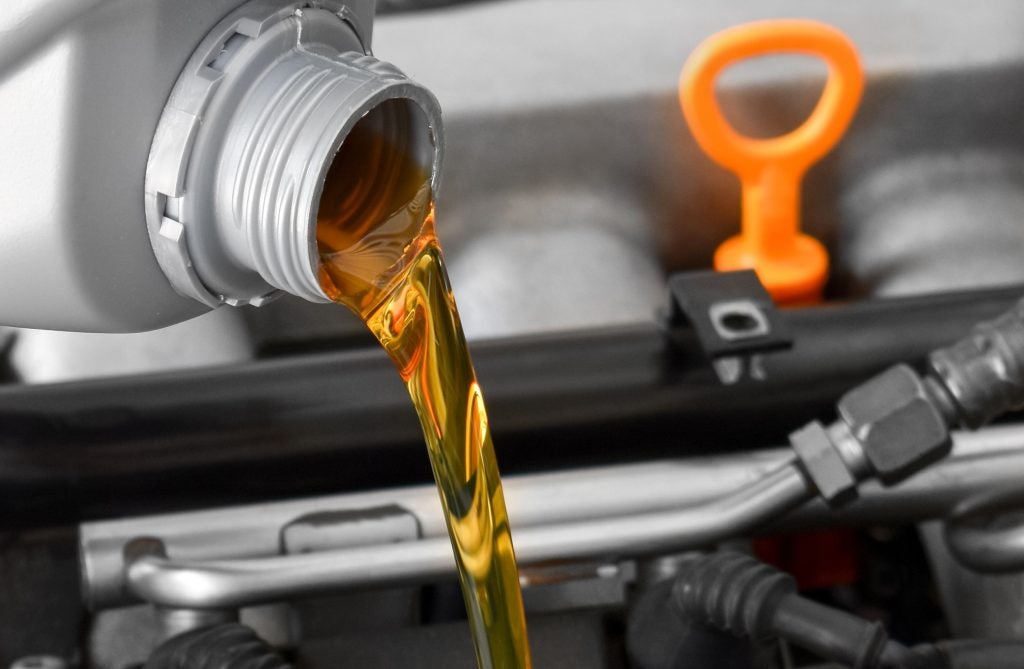
Engine oil being poured into a car engine with dipstick visible in the background.

Why an Oil Change Still Shapes the Way Your Ford Feels on the Road in San Jose, CA

Modern Ford vehicles have become remarkably refined machines. The latest F-150, F-250, Bronco, and Explorer models isolate vibration better, manage heat more effectively, and deliver stronger efficiency than many drivers expect from vehicles this capable. Still, one of the simplest services remains one of the most important: staying current on your oil change in San Jose, CA. Engine oil sits at the center of nearly every moving process inside your vehicle’s powertrain. It reduces friction, manages temperature, and helps prevent the buildup of contaminants that slowly diminish engine performance over time. Leave oil in place too long and even a well-engineered engine can begin to feel less responsive, less efficient, and more strained during daily driving around the Bay Area. The Rhythm of Modern Ford Maintenance Ford’s oil life monitoring systems are sophisticated enough to account for real-world driving habits instead of relying solely on a fixed mileage interval. That distinction matters in a region like San Jose, where traffic density, short commutes, extended idling, and warmer temperatures all place additional stress on engine oil. A vehicle used primarily for stop-and-go commuting through Silicon Valley experiences a very different operating environment than one spending most of its life on open highways. Heat cycles become more frequent. Oil breaks down faster. Contaminants accumulate more rapidly. Keeping pace with your recommended oil service interval helps preserve the smoothness and composure Ford engineers intended from the start. Choosing the Right Oil for Your Ford There is also a design element to modern lubrication that often goes unnoticed. Today’s Ford engines are engineered around very specific oil formulations and viscosity requirements. Full synthetic oil has become increasingly common across the lineup because it delivers stronger resistance to heat breakdown and better protection during cold starts. Many newer Ford trucks and SUVs leave the factory already filled with synthetic oil. Continuing with the correct specification during future service visits helps maintain engine longevity and consistent performance characteristics over time. Drivers scheduling an oil change in San Jose, CA should always use the oil grade recommended for their exact Ford model and engine configuration. The Small Signals Drivers Should Notice Vehicles tend to communicate service needs gradually before a major issue appears. An engine that sounds slightly harsher during acceleration, oil appearing excessively dark on the dipstick, or a faint burning smell after long drives can all point toward deteriorating oil condition. Even fuel economy can begin to shift as lubrication efficiency declines. These changes are often subtle at first. Paying attention early can help prevent larger engine complications later, particularly for drivers regularly navigating crowded Bay Area traffic patterns. Service Designed Around Real Life Ford has also recognized that convenience plays a major role in vehicle ownership today. Ford Mobile Service offers an especially thoughtful solution for busy drivers throughout San Jose. Certified technicians can perform routine maintenance services, including oil and filter changes, directly at your home or workplace in many situations. Ford Pickup & Delivery adds another layer of flexibility by allowing your vehicle to be transported to and from the dealership for service appointments. It is a modern approach to maintenance that fits naturally into the pace of life across the Bay Area. Keeping Your Ford Ready for the Miles Ahead An oil change remains one of the most effective ways to protect the long-term character of your vehicle. From the hardworking Super Duty lineup to SUVs like the Expedition, clean oil helps maintain the refinement, durability, and efficiency drivers expect from Ford. Drivers throughout San Jose can turn to Mission Valley Ford Trucks for factory-trained service, genuine Ford parts, and maintenance support tailored to the demands of Northern California driving. Schedule your next oil change in San Jose, CA and keep your Ford performing with the smooth confidence it was designed to deliver.

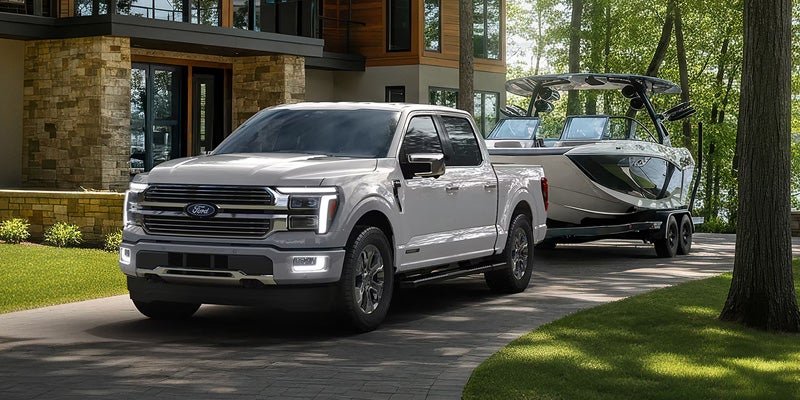
White Ford F-150 pickup truck towing a boat, parked in front of a modern lakeside home.

2026 Ford Trucks in San Jose

Buyers can find 2026 Ford trucks at Mission Valley Ford Trucks in San Jose. This location provides many models for work and personal use. Contact the dealership to get more information on these vehicles. 2026 Ford F-150 Features The 2026 Ford F-150, which is a full-size pickup, has a standard 2.7 L V6 engine. This engine produces 325 hp and 400 lb-ft of torque. Every model includes a 12" touch screen and a 12" digital cluster. Trim levels for this truck include XL, STX, XLT, Lariat, King Ranch, Platinum, Tremor, and Raptor. Available wheel sizes include 17", 18", 20", and 22" options. 2026 Ford Maverick Features The 2026 Ford Maverick is a compact truck with a 2.0 L 4-cylinder engine. This engine provides 250 hp and 277 lb-ft of torque. A 2.5 L hybrid engine is an available option that provides 191 combined hp. The interior has an 8" touch screen that supports Apple CarPlay© and Android Auto©. Trims include XL, XLT, and Lariat. The truck uses 17" or 18" wheels. 2026 Ford Super Duty Features The 2026 Ford Super Duty lineup includes the F-250 and F-350 models. The base 6.8 L V8 engine generates 405 hp and 445 lb-ft of torque. A 7.3 L V8 engine is also available and produces 430 hp and 485 lb-ft of torque. The XL trim has an 8" screen, while the Lariat and higher trims use a 12" screen. Available trim levels are XL, XLT, Lariat, King Ranch, Platinum, and Limited. 2026 Ford F-150 Lightning Features The 2026 Ford F-150 Lightning is an electric vehicle with a standard battery range of 240 miles. The extended range battery increases the range to 320 miles. This truck produces 452 hp with the standard battery and 580 hp with the extended range battery. Both configurations produce 775 lb-ft of torque. Trims for the Lightning include XLT, Flash, Lariat, and Platinum. Available Incentives on 2026 Models Mission Valley Ford Trucks provides incentives for many 2026 models. These offers include financing and lease options for qualified buyers. Some models may also qualify for federal tax credits. Interested parties can visit the dealership to learn about the requirements for these offers. Contact Mission Valley Ford Trucks Mission Valley Ford Trucks in San Jose has many 2026 Ford trucks in stock. Visit the dealership to see the features of these vehicles in person. The staff can provide more information on specific models and trim levels.

Engine oil being poured into a car engine during an oil change.

Ford Mobile Service in San Jose, CA

Description of Ford Mobile Service Mission Valley Ford Trucks provides Ford Mobile Service in San Jose, CA. This service delivers vehicle maintenance directly to the home or office of a customer, and it allows a person to save time. This program is a helpful option for a person with a busy schedule, since certified technicians perform the work at your location. You should contact Mission Valley Ford Trucks to learn more about this mobile program, as it is a modern way to care for a vehicle. Maintenance Ford Mobile Service is a maintenance program for owners in San Jose, CA. Instead of a trip to a service center, 1 technician travels to the location of the customer. This service includes 1 oil change, 1 tire rotation, and 1 brake inspection, which helps keep the vehicle safe. Technicians also perform 1 battery replacement at the home or the workplace, so you do not have to travel. Advantages of Mobile Care This service provides 4 specific benefits for drivers in the Bay Area. 1 benefit is convenience because the service comes to you, and it removes the need for a long drive. 2 is expert care because technicians use official parts, which ensures the work is done right. 3 is time savings because you do not have to wait at a dealership, and 4 is flexible scheduling for your daily routine. Types of Service Offered The mobile team offers several types of repair work for your car or truck. They perform 1 oil change and 1 filter change, and they also complete 1 brake repair. If you need 1 battery test or 1 tire rotation, the technician can do that at your house. These tasks help keep a vehicle in good condition, and they prevent future problems on the road. Book a Service Appointment You can schedule an appointment on the website for Mission Valley Ford Trucks. This process is simple and takes very little time, so you can get back to your work. This service is available for drivers in San Jose, CA and the surrounding area. Mobile maintenance ensures a vehicle is safe to drive, and Mission Valley Ford Trucks in San Jose, CA is available to assist with your vehicle needs.

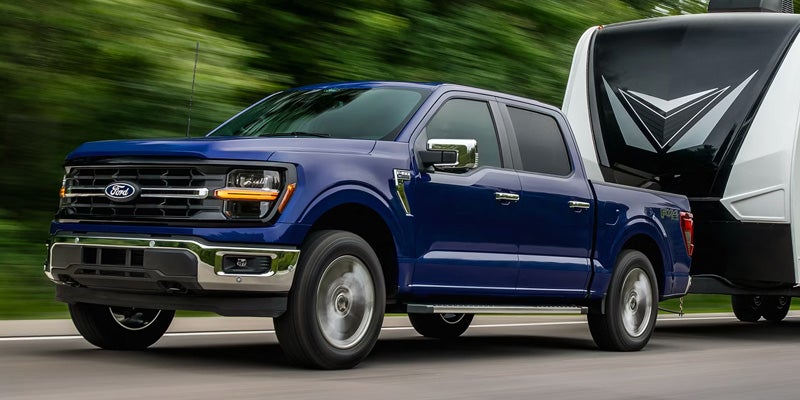
A blue Ford F-150 towing a travel trailer on a scenic road.

Ford Truck Towing Capacity Comparison: Which Model Fits Your Needs?

A Comprehensive Guide to Ford Truck Towing Capacities When it comes to finding the perfect truck for work, play, or both, understanding towing capacity is essential. Ford trucks are renowned for their power and versatility, offering a range of options to suit every driver’s needs. In this blog, we’ll dive into a Ford truck towing capacity comparison to help you determine which model is right for you. Whether you're hauling equipment or towing a trailer for a weekend getaway in San Jose, Ford has a truck tailored to your lifestyle. Why Towing Capacity Matters Towing capacity is one of the most critical factors when choosing a truck. It determines how much weight your vehicle can safely tow without compromising performance or safety. Ford trucks, from the compact Maverick to the heavy-duty Super Duty lineup, offer impressive towing capabilities to meet diverse needs. For instance, the Ford F-150, America’s Best-Selling Truck, combines everyday usability with robust towing power. With available features like Pro Trailer Backup Assist™ and Ford Co-Pilot360® technology, towing in and around San Jose becomes not only easier but also safer. Light-Duty Trucks: Ford Maverick and Ranger If you’re looking for a compact yet capable truck, the Ford Maverick and Ranger are excellent choices. The Maverick, named MotorTrend’s 2026 Truck of the Year®, offers a city-friendly size with a towing capacity of up to 4,000 lbs. when equipped with the optional 2.0L EcoBoost® engine and Tow Package. The Ford Ranger steps it up with a maximum towing capacity of 7,500 lbs. when equipped with the available Trailer Tow Package. This makes it ideal for drivers who need more capability without stepping into a full-size truck. Whether you’re towing a small camper or a pair of jet skis for a weekend at nearby California lakes, these models deliver exceptional performance. Full-Size Trucks: Ford F-150 The Ford F-150 is a powerhouse in the full-size truck category, offering a range of engines to suit various towing needs. With a maximum towing capacity of up to 14,000 lbs. when properly equipped, the F-150 is perfect for hauling larger trailers or heavy equipment around San Jose. Ford’s innovative technology enhances the towing experience. Features like Smart Hitch and Onboard Scales help ensure your load is balanced and within safe limits. Additionally, the F-150’s hybrid powertrain option delivers both efficiency and power, making it a versatile choice for work and recreation. Heavy-Duty Trucks: Ford Super Duty Lineup For those who need maximum towing power, the Ford Super Duty lineup is unmatched. The 2025 Super Duty models, including the F-250, F-350, and F-450, offer staggering towing capacities of up to 40,000 lbs. with gooseneck towing configurations. These trucks are built for serious work, from construction sites to agricultural tasks in and around San Jose. Advanced features like Trailer Reverse Guidance and the available Pro Power Onboard™ generator further enhance the Super Duty’s functionality. With these capabilities, you can tow confidently and even power tools or equipment directly from your truck bed. Choosing the Right Ford Truck for You Selecting the right Ford truck depends on your specific towing needs and lifestyle. If you’re navigating city streets or need a versatile daily driver, the Maverick or Ranger may be your best bet. For those requiring more power and capability, the F-150 or Super Duty models offer unparalleled performance. With this comprehensive Ford truck towing capacity comparison, you’re now equipped to make an informed decision about which model suits your needs best. From the compact Maverick to the heavy-duty Super Duty lineup, Ford trucks deliver exceptional performance and reliability for drivers in San Jose and beyond. Explore your options today at Mission Valley Ford Trucks and discover why Ford continues to lead the way in towing capability and innovation.

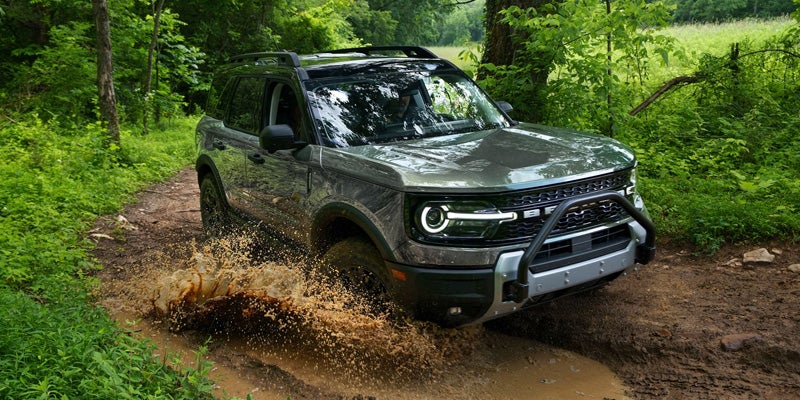
Ford Bronco Sport navigating a muddy trail with off-road prowess.

Ford Bronco vs. Bronco Sport: Key Differences

Exploring the Differences Between the Ford Bronco and Bronco Sport When it comes to rugged SUVs that combine off-road capability with modern convenience, the Ford Bronco and Bronco Sport are standout options. Both vehicles are part of Ford's iconic Bronco lineup, but they cater to different needs and lifestyles. For drivers in San Jose, California, understanding the key differences between the Ford Bronco and Bronco Sport can help you choose the perfect SUV for your lifestyle. Size and Design: Built for Different Adventures The first major distinction between the Ford Bronco and Bronco Sport lies in their size and design. The Ford Bronco is a full-size SUV with a bold, boxy design that pays homage to its classic predecessors. It’s built for serious off-road enthusiasts who need a vehicle capable of conquering rugged terrains. On the other hand, the Ford Bronco Sport is a compact SUV designed for urban drivers who want a mix of off-road capability and everyday practicality. Its smaller size makes it easier to maneuver through city streets while still offering enough ground clearance for light off-road trails. Depending whether you find yourself primarily commuting and bustling through downtown San Jose, or heading out to explore nearby hiking trails, choosing between the two models depends on how much space and capability you need. Performance and Capability: Off-Road Power vs. Everyday Versatility Performance is another area where the Ford Bronco and Bronco Sport differ significantly. The Ford Bronco is built for extreme off-road adventures. The 2026 models feature a choice of 2 turbo engines topping out at 330 hp and 415 lbs.-ft. of torque, with a 4,500-lb. towing capacity. Its advanced 4x4 systems, and available features like locking differentials and sway-bar disconnects make it the go-to choice for tackling challenging terrains like sand dunes or rocky trails. The Ford Bronco Sport, while still capable off-road, is better suited for moderate adventures. With up to 250 hp, a 2,700-lb. towing capacity, and standard 4x4 capability with features like G.O.A.T. Modes™ (Goes Over Any Type of Terrain), it’s robust enough for trailblazing—but its focus is on providing a smooth and comfortable ride for daily commutes and weekend getaways. Its smaller size makes it easy to maneuver in urban areas, as well as offering city-friendly fuel efficiency. For drivers in San Jose who frequently venture into the great outdoors, the full-size Bronco might be the better fit. However, if your adventures are more casual, the Bronco Sport offers a balanced blend of performance and practicality. Interior Features: Comfort Meets Functionality Inside, both the Ford Bronco and Bronco Sport offer modern technology and comfort, but their interiors reflect their distinct purposes. The Ford Bronco’s interior is rugged and utilitarian, with features like washable rubberized flooring and marine-grade vinyl seats that make it easy to clean after muddy adventures. It also offers an open-air driving experience with removable doors and roof panels. The Ford Bronco Sport, meanwhile, focuses on comfort and convenience. Its interior includes upscale materials, ample storage solutions, and advanced tech features like Ford Co-Pilot360® driver-assist technologies. It’s designed to keep you comfortable whether you’re running errands in San Jose or embarking on a weekend road trip. Price and Customization: Options for Every Budget Another key difference between the Ford Bronco and Bronco Sport is their pricing and customization options. The Ford Bronco offers a wide range of trims and packages, allowing buyers to tailor their SUV to specific off-road needs or personal preferences. However, this level of customization can come at a higher price point. The Ford Bronco Sport is more budget-friendly while still offering plenty of features across its trim levels. It’s an excellent choice for those who want a capable SUV without breaking the bank. For San Jose drivers looking for value without compromising on quality, the Bronco Sport delivers an impressive package. Visit Mission Valley Ford Trucks today! Ready to experience the Ford Bronco or Bronco Sport for yourself? Visit Mission Valley Ford Trucks in San Jose to explore these iconic SUVs up close. Our team is here to help you find the perfect model that fits your lifestyle and adventure needs.

Contact Us

Fill out this form below and we'll contact you shortly
*Required Fields