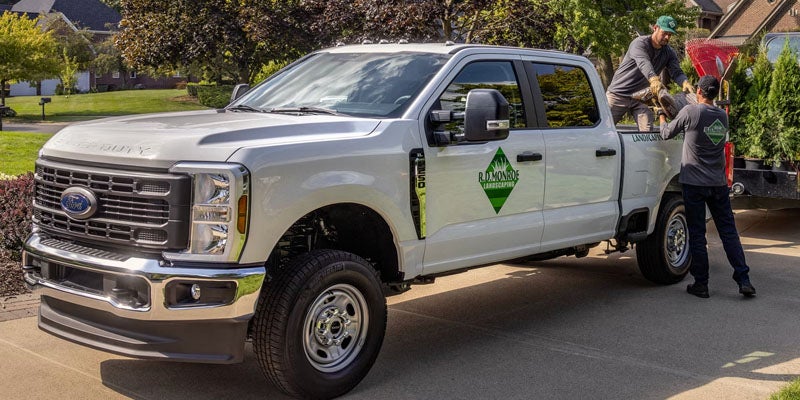

Ford's electric lineup includes options for different lifestyles and work requirements, from the Mustang Mach-E® SUV to the F-150 Lightning® electric pickup and E-Transit™ commercial van. Before making the switch, it's worth understanding what EV ownership actually looks like, how charging works, and whether an electric Ford fits your daily driving needs.
Why Consider Switching to an Electric Ford?
One of the biggest reasons drivers consider an electric vehicle is the potential to save on energy costs. Instead of purchasing gasoline, EV owners charge their vehicles using electricity. Depending on local electricity rates, charging habits, driving distance, and vehicle efficiency, this can potentially cost less than filling up a traditional gas-powered vehicle.For businesses operating multiple vehicles, those savings can become especially interesting. A company with predictable daily routes and access to overnight charging may be able to reduce its fuel expenses while keeping vehicles ready for the next workday.
Electric vehicles also have fewer routine maintenance requirements than traditional gas-powered vehicles. Since they don't use engine oil, spark plugs, or traditional exhaust systems, owners can avoid certain maintenance services associated with combustion engines. Tire rotations, brake inspections, cabin air filters, and other routine checks are still important, but the maintenance schedule can look different.
For drivers tired of watching the gas pump total climb, an electric Ford is worth considering.
Which Ford Electric Vehicle Is Right for You?
Ford offers electric vehicles designed around different driving needs. The right model depends on whether you're commuting, transporting equipment, or managing a commercial fleet.The Mustang Mach-E® is an all-electric SUV that combines everyday practicality with responsive electric performance. It's a good option for drivers who want an electric vehicle for commuting around San Jose, running errands, and taking longer highway trips.
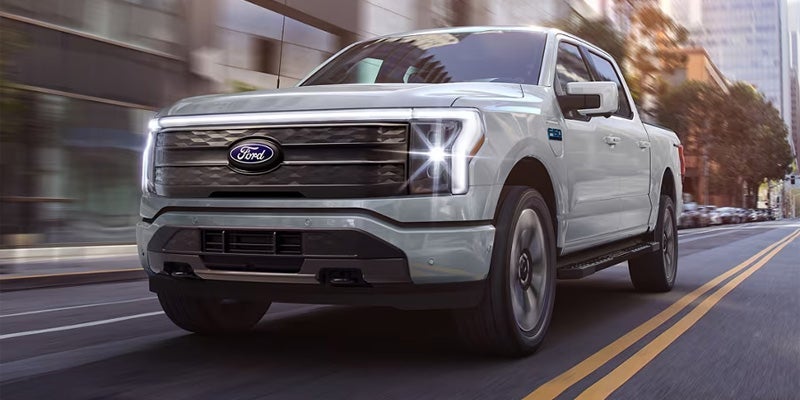
The F-150 Lightning® brings electric power to the pickup truck segment. It offers the familiar functionality of an F-150 with the added benefits of an all-electric powertrain. For businesses and truck owners who want pickup capability without gasoline, the Lightning is an option worth exploring, depending on current model availability.
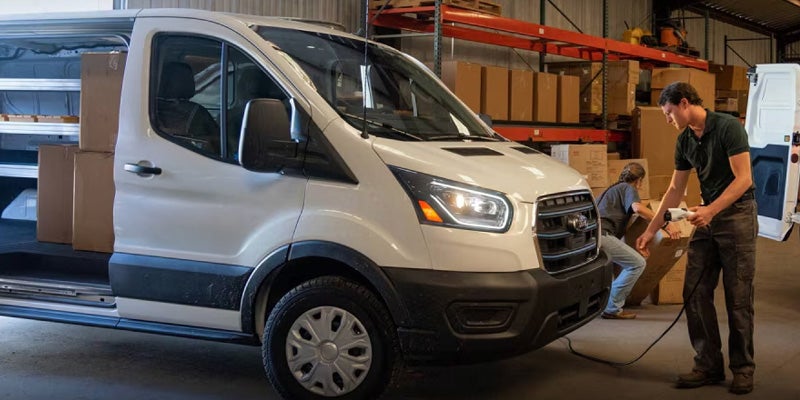
For commercial customers, the E-Transit™ provides an all-electric alternative to a traditional cargo van. Businesses with local delivery routes, service operations, or predictable daily driving schedules may find an electric commercial van worth considering.
Each vehicle serves a different purpose, so think about your daily mileage, cargo requirements, passenger needs, and access to charging before choosing.
Charging Your Ford EV: What Should You Know?
One of the biggest adjustments to EV ownership is changing how you think about refueling. Instead of stopping at a gas station, many electric vehicle owners charge at home while their vehicle is parked overnight.Home charging is often the most convenient option for drivers with access to a dedicated parking space and the ability to install a compatible charging station. You can plug in when you get home and start the next day with additional driving range.
Public charging is another option, particularly when traveling longer distances or when home charging isn't available. Depending on the charging station and vehicle, you may be able to use Level 2 charging or DC fast charging to add range while you're away from home.
Before purchasing an electric vehicle, consider where you'll charge it most often. San Jose drivers should look at their home parking situation, workplace charging availability, and the public charging stations along their regular routes.
How Far Can You Drive on a Ford EV?
Driving range is one of the most common questions prospective EV owners have. The answer depends on the model, battery configuration, driving conditions, and how the vehicle is used.For example, the Ford F-150 Lightning has offered EPA-estimated ranges of up to 320 miles with select extended-range configurations. Actual range varies with factors such as temperature, speed, payload, terrain, and towing.
Towing and hauling deserve additional consideration, especially for commercial truck buyers. Pulling a heavy trailer can significantly reduce electric driving range, so businesses should evaluate their regular routes and charging opportunities before choosing an electric pickup.
For a driver commuting around San Jose or a delivery business following consistent local routes, an EV may fit naturally into the workday. For businesses regularly traveling long distances or towing heavy equipment, a gas or diesel Ford truck may remain the more practical choice.
Are Electric Vehicles More Affordable to Maintain?
EV ownership can offer maintenance advantages because electric motors have fewer moving parts than traditional gasoline engines. There's no engine oil to change, and regenerative braking can help reduce wear on traditional brake components.However, electric vehicles aren't completely maintenance-free. Tires, suspension components, brakes, cabin air filters, and other systems still require attention. Battery condition and charging habits are also important parts of long-term ownership.
Ford electric vehicles include high-voltage battery warranty coverage, with coverage generally extending to 8 years or 100,000 miles, whichever comes first, subject to the applicable vehicle warranty terms.
When comparing the cost of ownership, look beyond the initial purchase price. Consider electricity rates, insurance, maintenance, charging equipment, driving habits, and available vehicle incentives or offers.
Explore Ford Electric Vehicles at Mission Valley Ford
High gas prices have plenty of drivers rethinking what they spend at the pump. Whether you're interested in an electric SUV for your daily commute or exploring an electric commercial vehicle for your business, understanding the costs and benefits of EV ownership is the first step.Mission Valley Ford Trucks serves San Jose drivers and businesses looking to explore Ford's latest vehicle technology. Visit our Ford electric vehicle FAQ page to learn more about charging, range, and ownership, or browse our new Ford inventory to explore available models. Our team can help you compare powertrain options and find a Ford that fits your driving or business needs.