
First, Figure Out What Has to Fit Inside
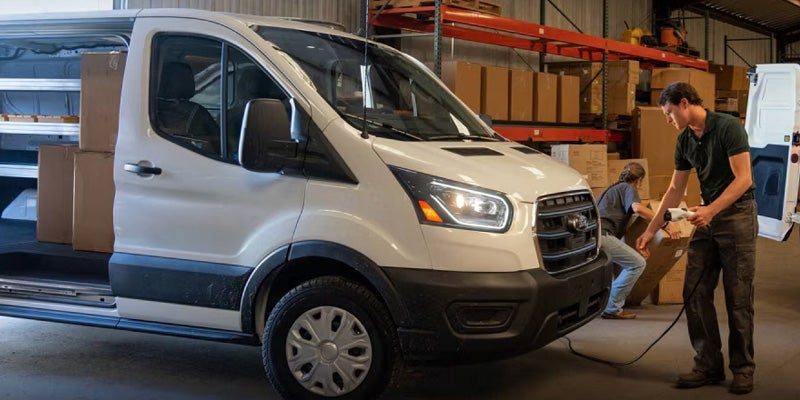
Transit® Cargo Vans come with low, medium, and high roofs and 129.9-inch or 147.6-inch wheelbases, depending on configuration. Overall length starts at 219.9 inches for regular models, reaches 237.6 inches in long configurations, and stretches to 263.9 inches for high-roof extended vans. Cargo volume ranges from 246.7 to 487.3 cu. ft. behind the front seats.
A low roof can be easier to live with when San Jose parking structures are part of the route. Medium and high roofs provide more vertical working room for shelving, tools, inventory, and vocational equipment. The correct choice starts with what goes inside the van, not what looks impressive on a specification sheet.
T-250 Is the Middleweight That Can Carry Its Share
The Transit-250 occupies useful territory between the T-150 and heavier T-350 configurations. Complete-vehicle Cargo Van versions can reach a 9,150-lb. GVWR, with regular and long wheelbases and several roof heights available depending on body configuration. Buyers can also choose RWD or available AWD.
For plumbers, electricians, contractors, delivery operations, and mobile-service businesses, T-250 can provide additional capacity for equipment and an upfit without automatically stepping into the highest weight ratings. That's important because commercial vehicles aren't trophies. Capacity earns its place when you're putting it to work.
Two V6 Engines, Depending on How Hard You Ask
Gas-powered Transit® models offer a 3.5L PFDi V6 producing 275 hp and 260 lbs. ft. of torque or an available 3.5L EcoBoost® V6 with 300 hp and a considerably stronger 400 lbs. ft. of torque. Both pair with a 10-speed automatic transmission, with RWD standard and AWD available.
There is no plug-in hybrid Transit® in the U.S. lineup. Businesses interested in electric power can instead consider the E-Transit™, which uses a rear-mounted electric motor producing 198 kW and an 89-kWh battery. Choosing among them should come down to routes, loads, operating needs, and how the van will spend its working hours.
A Work Van Should Be Set Up for Work
An empty cargo area isn't much help if employees spend every morning digging through it for tools. Ford offers commercial packages designed around specific jobs, including Electrician Trade, General Contractor, Builder's Prep, Upfitter, Wall Liner, and Heavy-Duty Trailer Tow packages. Depending on configuration, these can provide a foundation for shelving, partitions, storage, electrical equipment, and other vocational hardware.
Properly equipped gas Transit® models can also tow up to 6,900 lbs. A good upfit isn't decoration. It's about giving tools and equipment a place to live so the person doing the job can spend less time searching for them.
Decide if You're Carrying Equipment or People
Cargo Van models concentrate on 2 front occupants and working space behind them. Transit® Passenger Vans take a different assignment, with configurations for 12 or 15 passengers. That makes the distinction refreshingly straightforward: tools, deliveries, and mobile operations point toward Cargo Van, while businesses transporting groups should look at Passenger Van configurations.
Standard driver-assistance equipment includes Pre-Collision Assist® with Automatic Emergency Braking, Forward Collision Warning, Lane-Keeping System, and Auto High-Beam Headlamps, adding useful support during the miles between jobs.
Put the Right Transit® to Work in San Jose
Payload, cargo dimensions, roof clearance, drivetrain, towing requirements, and the planned upfit should decide what belongs in your fleet. San Jose businesses can visit Mission Valley Ford Trucks to compare available Ford Transit® inventory, commercial configurations, and upfit options around the work they perform. Once you've narrowed down the van that fits the job, schedule a test drive online.