Blog / San Jose Ford Service

Blog

All San Jose Ford Service San Jose Ford Dealer San Jose Community Mission Valley Ford Service San Jose Used Cars Ford F-150 Ford F-250 Ford F-350 Ford Trucks Ford Bronco Ford Ranger EV and Hybrids Ford Bronco Sport Ford Escape Ranger
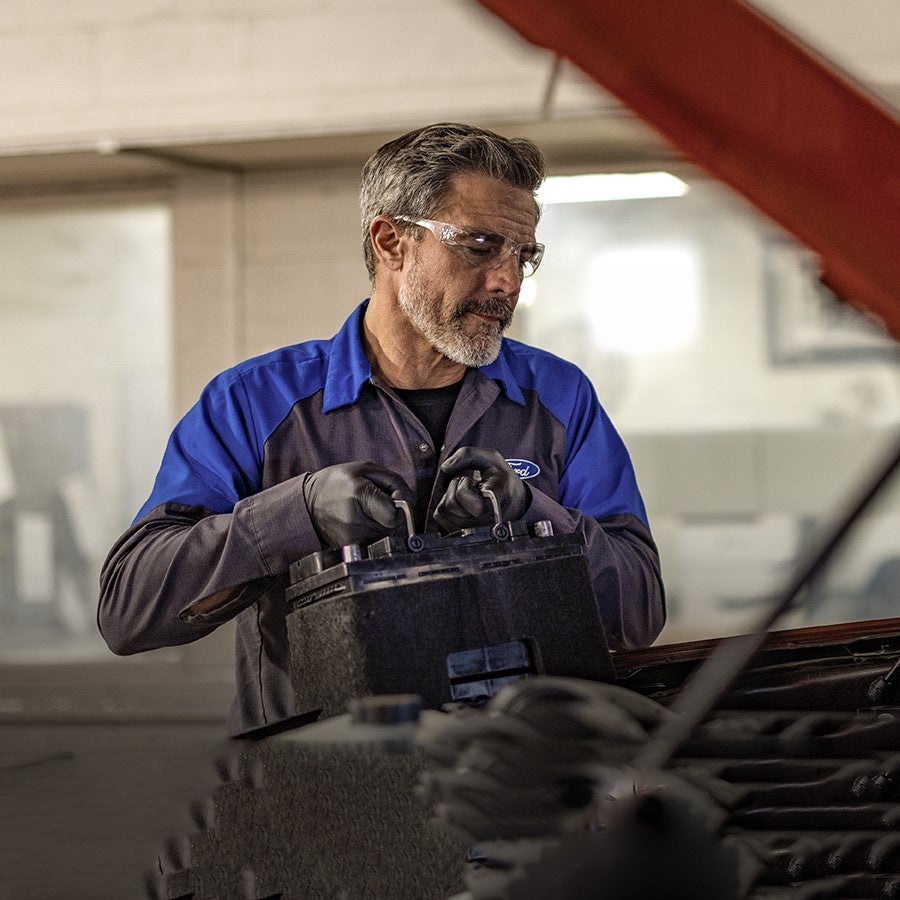
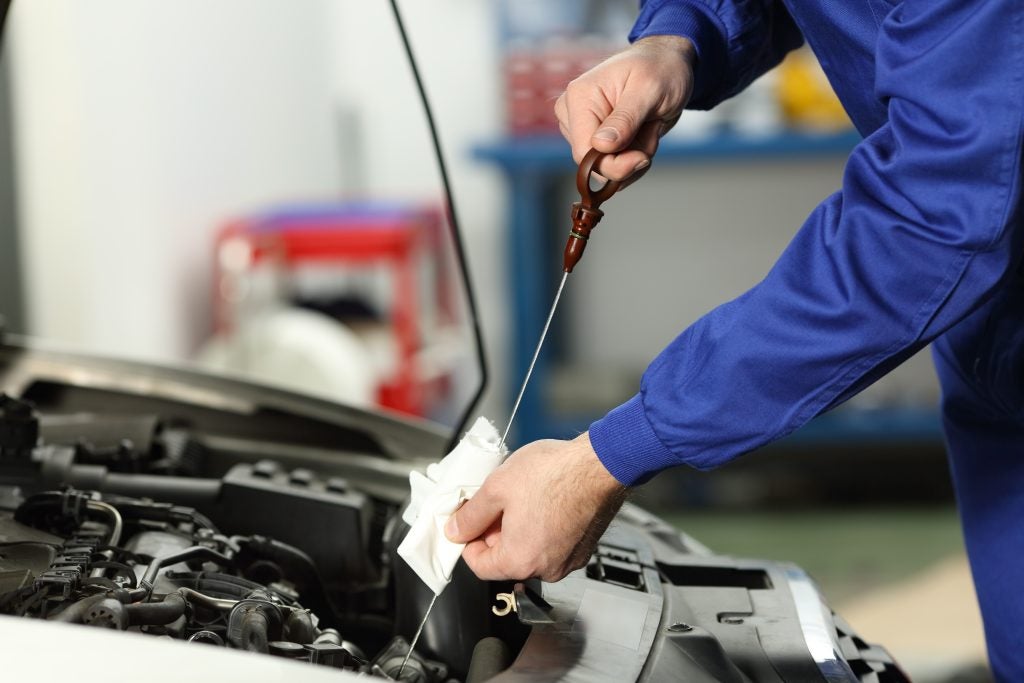
Mechanic checking engine oil level with a dipstick under the hood.

How Often Should You Schedule Commercial Truck Service in San Jose, CA?

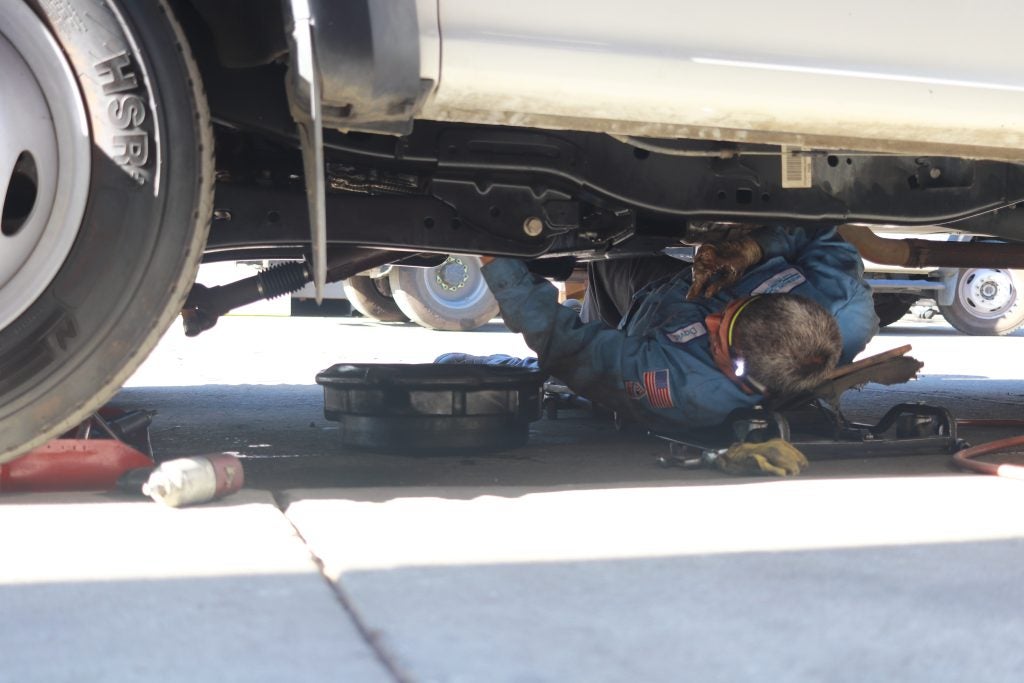
If your business depends on trucks, keeping up with maintenance is essential. No matter if you're running a single work truck or managing a full fleet, staying on top of commercial truck service in San Jose, CA, can mean the difference between a productive workday and an unexpected breakdown on the job. Understanding the right service intervals helps protect your investment and keeps your drivers safe. more Why Service Intervals are Important for Commercial Trucks Commercial trucks work harder than the average passenger vehicle. They haul heavy loads, log more miles, and often operate in demanding stop-and-go conditions - all of which put additional stress on critical components. Skipping or delaying commercial truck service can lead to accelerated wear, costly repairs, and downtime that disrupts your operations. Ford trucks are built to handle tough jobs, but even the most durable vehicles need regular attention to perform at their best. General Service Milestones to Follow The right service schedule depends on factors like mileage, load weight, driving conditions, and the specific model you're operating. That said, there are some general guidelines most commercial truck owners should follow. Oil and filter changes are typically recommended every 5,000 to 10,000 miles for diesel-powered trucks, though your owner's manual will specify the right interval for your engine. Tire rotations and brake inspections should be done every 10,000 to 15,000 miles, and transmission fluid checks are usually recommended around every 30,000 miles. For trucks handling heavier commercial loads, some of these intervals may need to be shortened. Ford truck service should always be performed using OEM-approved parts to maintain your vehicle's warranty and long-term reliability. Seasonal and High-Use Considerations for Commercial Truck Service Working conditions significantly affect how quickly your truck wears down. Trucks used for towing, hauling construction materials, or frequent highway driving may need more frequent service than trucks used for lighter-duty tasks. It's also worth scheduling a full inspection at least once a year, regardless of mileage. Technicians can catch issues early - like worn belts, leaking seals, or low fluid levels - before they become expensive problems. Staying proactive with service reduces the likelihood of being sidelined at the worst possible time. Ford's Built-In Service Support Ford vehicles come with access to owner support tools that make it easier to manage your maintenance schedule. Through Ford's resources, owners can track service history, access vehicle information, and stay informed about recommended maintenance intervals for their specific truck. If you're managing one Super Duty or an entire fleet of F-150s, having that information at your fingertips helps you plan ahead. Commercial truck service is most effective when it's consistent and well-documented. Keeping accurate service records also adds value to your trucks if you decide to upgrade or trade in down the road. Keep Your Commercial Trucks Running at Their Best Staying ahead of maintenance is the smartest thing a business owner can do for their fleet. No matter if your trucks are racking up highway miles or grinding through daily local routes, routine service is what keeps them reliable and road-ready. The service experts at Mission Valley Ford Trucks are here to help you build a service plan that fits your operation. Visit missionvalleyford.com to learn more about available service options and schedule your next appointment.
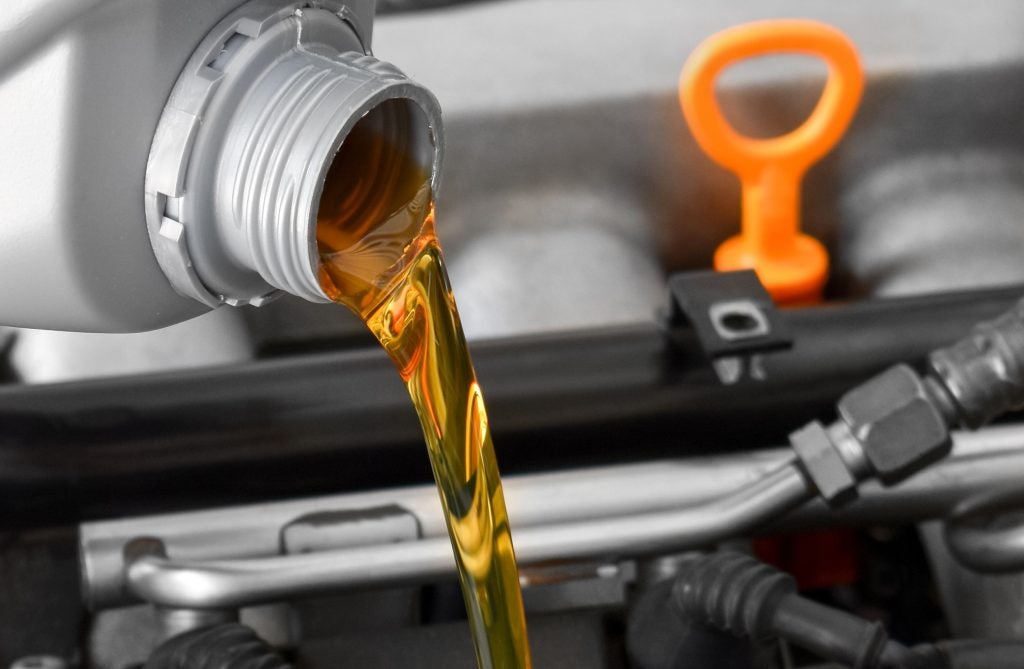
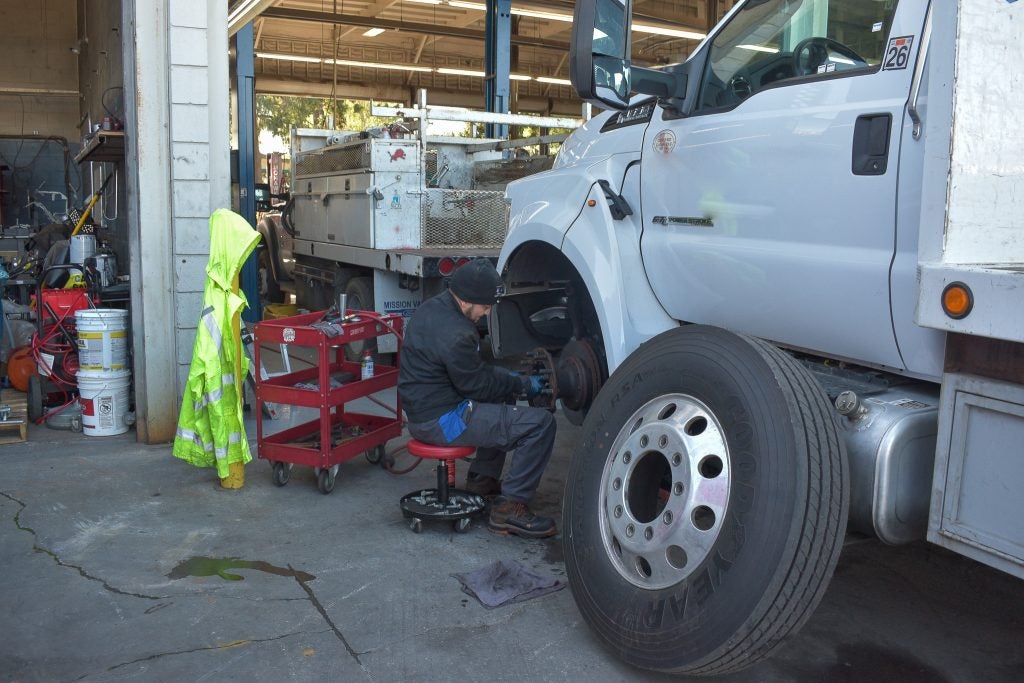
Engine oil being poured into a car engine with dipstick visible in the background.

Why an Oil Change Still Shapes the Way Your Ford Feels on the Road in San Jose, CA

Modern Ford vehicles have become remarkably refined machines. The latest F-150, F-250, Bronco, and Explorer models isolate vibration better, manage heat more effectively, and deliver stronger efficiency than many drivers expect from vehicles this capable. Still, one of the simplest services remains one of the most important: staying current on your oil change in San Jose, CA. Engine oil sits at the center of nearly every moving process inside your vehicle’s powertrain. It reduces friction, manages temperature, and helps prevent the buildup of contaminants that slowly diminish engine performance over time. Leave oil in place too long and even a well-engineered engine can begin to feel less responsive, less efficient, and more strained during daily driving around the Bay Area. more The Rhythm of Modern Ford Maintenance Ford’s oil life monitoring systems are sophisticated enough to account for real-world driving habits instead of relying solely on a fixed mileage interval. That distinction matters in a region like San Jose, where traffic density, short commutes, extended idling, and warmer temperatures all place additional stress on engine oil. A vehicle used primarily for stop-and-go commuting through Silicon Valley experiences a very different operating environment than one spending most of its life on open highways. Heat cycles become more frequent. Oil breaks down faster. Contaminants accumulate more rapidly. Keeping pace with your recommended oil service interval helps preserve the smoothness and composure Ford engineers intended from the start. Choosing the Right Oil for Your Ford There is also a design element to modern lubrication that often goes unnoticed. Today’s Ford engines are engineered around very specific oil formulations and viscosity requirements. Full synthetic oil has become increasingly common across the lineup because it delivers stronger resistance to heat breakdown and better protection during cold starts. Many newer Ford trucks and SUVs leave the factory already filled with synthetic oil. Continuing with the correct specification during future service visits helps maintain engine longevity and consistent performance characteristics over time. Drivers scheduling an oil change in San Jose, CA should always use the oil grade recommended for their exact Ford model and engine configuration. The Small Signals Drivers Should Notice Vehicles tend to communicate service needs gradually before a major issue appears. An engine that sounds slightly harsher during acceleration, oil appearing excessively dark on the dipstick, or a faint burning smell after long drives can all point toward deteriorating oil condition. Even fuel economy can begin to shift as lubrication efficiency declines. These changes are often subtle at first. Paying attention early can help prevent larger engine complications later, particularly for drivers regularly navigating crowded Bay Area traffic patterns. Service Designed Around Real Life Ford has also recognized that convenience plays a major role in vehicle ownership today. Ford Mobile Service offers an especially thoughtful solution for busy drivers throughout San Jose. Certified technicians can perform routine maintenance services, including oil and filter changes, directly at your home or workplace in many situations. Ford Pickup & Delivery adds another layer of flexibility by allowing your vehicle to be transported to and from the dealership for service appointments. It is a modern approach to maintenance that fits naturally into the pace of life across the Bay Area. Keeping Your Ford Ready for the Miles Ahead An oil change remains one of the most effective ways to protect the long-term character of your vehicle. From the hardworking Super Duty lineup to SUVs like the Expedition, clean oil helps maintain the refinement, durability, and efficiency drivers expect from Ford. Drivers throughout San Jose can turn to Mission Valley Ford Trucks for factory-trained service, genuine Ford parts, and maintenance support tailored to the demands of Northern California driving. Schedule your next oil change in San Jose, CA and keep your Ford performing with the smooth confidence it was designed to deliver.

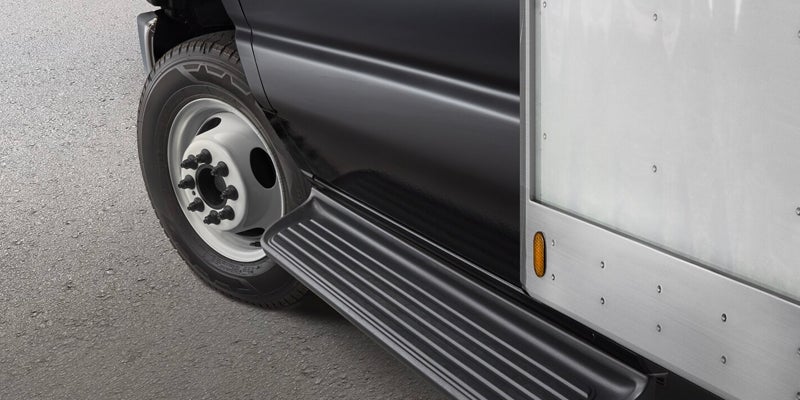
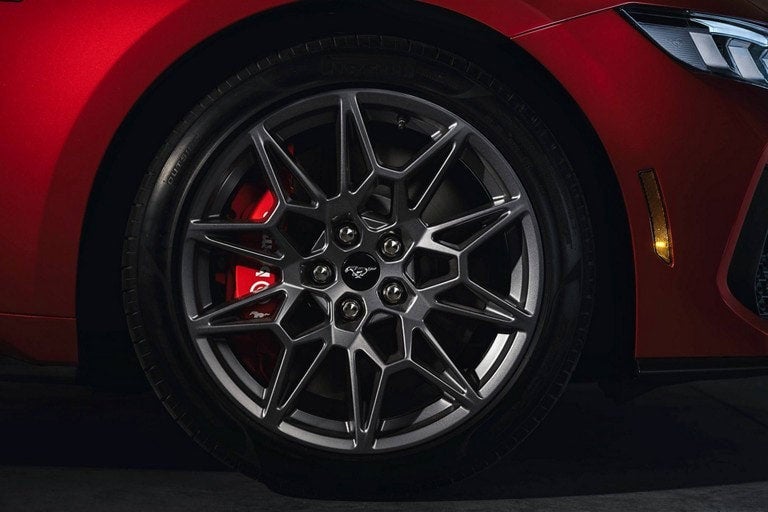
Close up of wheel and side panel of a 2025 Ford E-350 SD

Signs Your Ford Needs Brake Service in San Jose, CA

Your Ford's braking system is one of its most essential safety features. Whether you're navigating the busy streets of San Jose, CA, or embarking on a weekend getaway, dependable brakes are crucial. Regular brake service ensures your Ford remains safe, responsive, and ready to handle any driving condition. This guide dives into the key signs that your Ford may need brake service, helping you stay proactive about maintenance and keep your vehicle in peak condition. more Common Warning Signs of Brake Issues 1. Unusual Noises When Braking If you hear squealing, grinding, or clicking sounds every time you apply the brakes, it could indicate worn brake pads or other components needing attention. Many Ford models are equipped with wear indicators designed to emit a high-pitched sound when pads are too thin. Ignoring these noises can lead to further damage, so scheduling a brake service promptly is critical. 2. Reduced Responsiveness or Spongy Brake Pedal Does your brake pedal feel softer or require more effort to bring your vehicle to a stop? A spongy pedal often points to air in the brake lines or a leak in the hydraulic system. This is one of the more serious symptoms that should be inspected immediately by a qualified technician. 3. Vibration or Pulsation When Braking Experiencing vibrations or pulsations in the brake pedal or steering wheel while slowing down could signal warped rotors. This issue often arises from excessive heat during prolonged or aggressive braking, such as when towing or driving in hilly areas. A brake service can restore smooth braking performance. Visual Cues That Indicate Brake Service Is Needed 1. Thin Brake Pads Take a look at your brakes through the wheel spokes. If the brake pads appear less than a quarter-inch thick, it's time to replace them. Thin pads compromise your stopping power and increase the risk of rotor damage. 2. Warning Light on the Dashboard Modern Ford vehicles, like the Ford F-150 and Mustang, are equipped with a brake light on the dashboard to alert you of potential issues. If this light comes on, consult your owner’s manual and schedule a brake service as soon as possible. Why San Jose, CA Drivers Should Prioritize Brake Maintenance San Jose's dynamic traffic patterns and diverse road conditions can put your Ford's brakes to the test. From stop-and-go urban driving to winding scenic routes, maintaining reliable braking performance is critical for safety. Routine brake inspections and timely repairs not only ensure optimal performance but can also prevent costly damage to other components of your vehicle. Schedule a Brake Service Online Today For expert brake service in San Jose, CA, trust the team at Mission Valley Ford Trucks. Our skilled technicians use genuine Ford parts and advanced diagnostic tools to ensure your vehicle remains in top condition. Visit Mission Valley Ford in San Jose, CA to book your appointment today and keep your Ford safe on the road.

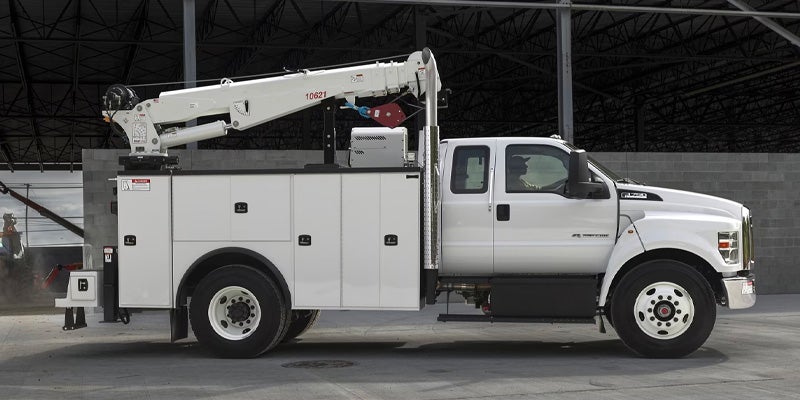
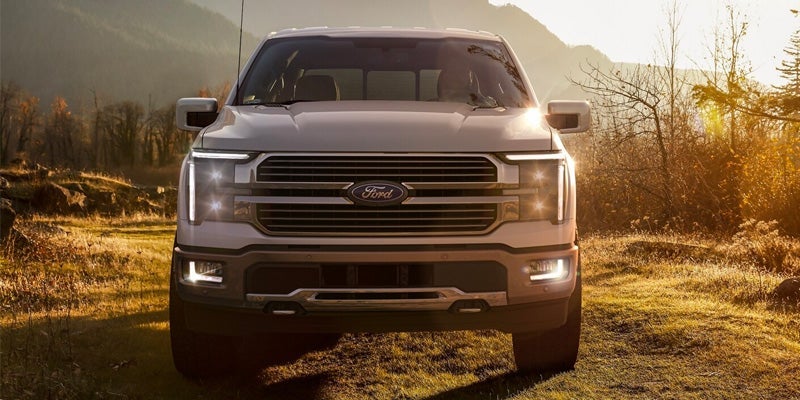
Side view of an upfitted 2025 Ford F-650

Ford Truck Upfits in San Jose, CA: Custom Solutions for Your Business Needs

When it comes to tailoring your vehicle to meet specific business or personal needs, Ford truck upfits offer unparalleled customization options. Whether you need enhanced cargo space, specialized equipment mounts, or reinforced truck beds, upfitting ensures your vehicle is perfectly suited for the tasks at hand. For drivers in San Jose, CA, Mission Valley Ford Trucks provides expert upfitting services designed to maximize the utility and efficiency of your Ford truck. more Ford’s lineup of trucks, including the versatile F-150® and the rugged Super Duty®, serves as the perfect foundation for upfits. These models are built to handle heavy-duty modifications, from flatbeds and utility boxes to more intricate shelving and storage systems. With the right upfit, your truck transforms from a reliable vehicle into an indispensable tool for your business or lifestyle. Types of Truck Upfits Available Service and Utility Upfits Service and utility upfits are designed for professionals who need quick and organized access to their tools and equipment. These upfits include utility bodies with multiple storage compartments, ladder racks, and reinforced truck beds. Perfect for contractors, electricians, and plumbers, these modifications ensure that your tools are secure and easily accessible. For example, the Ford Super Duty® is an excellent platform for service upfits. Its robust frame and impressive payload capacity make it ideal for carrying heavy equipment while maintaining durability over time. Fleet and Delivery Upfits For businesses that rely on fleet operations or local deliveries, Ford truck upfits can enhance efficiency and performance. Options such as refrigerated cargo areas, lift gates, and custom shelving help optimize the storage and transportation of goods. The Ford Maverick®, with its city-friendly size, can be upfitted for urban delivery routes, while larger models like the Transit® van can handle bulkier loads. These upfits are particularly popular among businesses in San Jose, CA, where navigating tight streets and delivering on time are daily challenges. Heavy-Duty and Off-Road Upfits If your work takes you off the beaten path, heavy-duty and off-road upfits are a must. Lift kits, winches, and all-terrain tires ensure your truck can handle rugged landscapes and challenging environments. The Ford Bronco®, known for its off-road capabilities, can be further enhanced with these types of upfits, making it the ultimate vehicle for outdoor adventures or demanding work sites. Why Mission Valley Ford Trucks is the Best Choice Mission Valley Ford Trucks in San Jose, CA, is your go-to destination for professional truck upfits. With years of expertise and a dedicated Truck Body Shop, the team understands the unique needs of businesses and individuals in the area. Their specialists work closely with you to ensure every upfit is tailored to your specific requirements. From selecting the right accessories to seamless installation, Mission Valley Ford Trucks provides an end-to-end solution. Plus, with Ford’s commitment to quality, you can trust that your upfitted truck will perform reliably for years to come. The Role of a Truck Body Shop in Upfitting A key component of any successful upfitting project is the expertise of a trusted Truck Body Shop. At Mission Valley Ford Trucks, the on-site Truck Body Shop ensures that every upfit is executed with precision. Their team can handle tasks like reinforcing truck frames, installing custom body kits, and integrating specialized equipment. Having a dedicated Truck Body Shop also ensures faster turnaround times and higher quality workmanship. Whether you’re modifying a single truck or an entire fleet, Mission Valley Ford Trucks can accommodate your needs efficiently and professionally. For All Your Truck Needs, Contact Mission Valley Today Ready to transform your Ford truck into the ultimate work vehicle? Visit Mission Valley Ford Trucks in San Jose, CA, today. Their team of experts can guide you through the entire upfitting process, ensuring your truck meets your exact specifications.

Understanding CARB Testing at Mission Valley Ford Trucks

Mission Valley Ford Trucks in San Jose, CA understands the importance of compliance with the California Air Resources Board (CARB) regulations. CARB plays a crucial role in maintaining air quality across the state by setting and enforcing strict emissions standards. As a Ford dealership, we are here to guide you through the process of CARB testing, explaining the different types of tests and their significance. more What is CARB Testing? CARB testing refers to a series of procedures aimed at ensuring vehicles meet California’s stringent emission standards. These tests are essential for reducing harmful air pollutants and promoting cleaner air in our communities. Vehicles in California, whether new or used, must pass CARB testing to be registered or stay in operation on the roads. Types of CARB Testing There are several types of emissions tests that your vehicle may undergo. While each test measures different aspects of your vehicle’s emissions system, they all have the same goal: ensuring that your vehicle complies with CARB’s air quality standards. OBD Testing (On-Board Diagnostics) The OBD test is one of the most common forms of emissions testing for vehicles with pre-2018 alternative fuel engines and vehicles with 2013 or newer diesel engines. Modern cars, trucks, and SUVs come equipped with an on-board diagnostic system that monitors the vehicle’s emission control systems. During an OBD test, the vehicle’s computer system is connected to a diagnostic tool that checks for any fault codes related to emissions. If the system detects an issue, such as a malfunctioning catalytic converter or oxygen sensor, the vehicle will fail the test. Visual Inspections Before conducting any diagnostic tests, our technicians perform thorough visual inspections to assess the overall condition of your vehicle’s emissions system. During this inspection, they examine the exhaust system, catalytic converter, and sensors for any visible damage. They also look for leaks or signs of wear in critical components like hoses, seals, and fittings, all of which can significantly impact the vehicle’s ability to control emissions. A careful visual inspection helps identify any apparent issues that could cause the vehicle to fail its CARB test, allowing for repairs to be made before the vehicle moves on to more in-depth testing. Functional Testing Once the visual inspection is complete, functional testing is conducted to verify that every part of the emissions system is operating correctly. This involves testing key components, including the catalytic converter, which must efficiently reduce emissions; the oxygen sensors, which regulate the air-fuel mixture in the engine; and the Exhaust Gas Recirculation (EGR) system, responsible for lowering nitrogen oxide emissions. If any of these systems aren’t functioning as intended, your vehicle may not pass the CARB test, and repairs will be necessary to bring the vehicle into compliance. Smoke Opacity Testing Smoke testing is primarily used for pre-2013 diesel-powered vehicles and pre-2018 alternative fuel vehicles. This test involves measuring the density of visible emissions from the exhaust system by checking how much light is blocked by the exhaust fumes. If excessive smoke is present, it may indicate problems with the engine or exhaust system that could lead to higher emissions. A higher opacity level indicates a greater amount of particulate matter in the smoke, which is harmful to air quality. Vehicles that fail the smoke test may need repairs before they are allowed to pass CARB regulations. Smog Testing Smog testing is a general term that refers to the emissions test required for most vehicles to renew registration in California. This includes a combination of OBD testing and, in some cases, tailpipe testing to measure the levels of pollutants like carbon monoxide, nitrogen oxides, and hydrocarbons. Smog testing is typically required every two years for vehicles older than 6 years, and the results will determine whether the vehicle is eligible for renewal or requires repairs. Why CARB Testing Matters For residents of San Jose, CA, CARB testing is not just a legal requirement—it’s an important step toward cleaner air. By ensuring your vehicle complies with CARB’s standards, you help reduce air pollution and contribute to a healthier environment for everyone. Regular testing also helps keep your vehicle in top running condition, as failing a test often means that there is an underlying issue with the engine or exhaust system that needs attention. Get Your Vehicle Ready for CARB Testing at Mission Valley Ford Trucks At Mission Valley Ford Trucks, we are committed to helping you stay compliant with CARB regulations. Whether you need assistance with your vehicle’s smog check, need to diagnose issues related to OBD testing, or require repairs to pass smoke or opacity testing, our team of experienced technicians is here to help. Visit us in San Jose, CA, to learn more about CARB testing or to schedule a service appointment. Our Ford Dealership also offers a wide selection of new and pre-owned Ford trucks that are CARB-compliant, so you can enjoy peace of mind knowing that your vehicle meets California’s emission standards. Explore financing options through our Apply for Financing page. Our team is here to provide the guidance and support you need to keep your vehicle running efficiently and in compliance with all regulations.

How Often Does Your Ford Need an Oil Change?

Knowing how often to change the oil in your Ford is crucial to keep it running correctly. Here are some guidelines for when to head to the Ford dealership for an oil change. more For most modern Fords, you should change the oil between 5,000 and 7,500 miles. This will not be the same for every model and year, so always consult your Ford's owner's manual for the most accurate guidance. There are some reasons you may need to change your oil more frequently than recommended, though. If you often tow heavy loads, take a lot of short trips, or often drive in very hot or cold temperatures, it may cause your oil to degrade faster. Your Oil or Check Engine Light Comes On Most new Fords have an oil life monitoring system that automatically calculates when it's time to change your oil. It takes things like the miles you've gone, the conditions you've driven in, and the time since your last change into account. If this light comes on, schedule your next oil service right away. On the other hand, the check engine light can be triggered by many things. An oil problem should be near the top of your suspect list, but only a professional diagnostic can tell you specifically what caused the check engine light to come on. You've Exceeded the Recommended Mileage If you know you've driven more miles than recommended since your last change, it's time to schedule an oil service. If you can't remember when you last changed your oil, check inside your windshield on the driver's side. There is likely a sticker with the date and mileage of the last time it was done. Your Oil is Dark and Dirty New engine oil should be a clear, amber color. If you pull out your dipstick and notice it's coated in dark, thick, gritty oil instead, your oil is full of contaminants and needs to be changed. Your Exhaust Is Smoking If you see smoke coming out of your exhaust instead of the normal vapor, something is burning in your car. It could indicate an oil leak or that oil is burning in the combustion chamber. Both of these could mean serious problems. Why Change Your Oil? Oil lubricates the moving parts of your engine, reducing friction as it moves. This helps to prevent the parts from wearing down. Oil also collects dirt and contaminants that could damage your engine. Changing it prevents them from building up. Finally, oil helps cool your engine, reducing your risk of overheating. By changing your oil on schedule, you can help ensure your vehicle keeps running smoothly and efficiently. Visit Mission Valley Ford and let us take care of your car's oil needs.

Is It Time for a New Car Battery? Visit Your Ford Dealer Today

You rely on it to keep the air conditioner frosty, the headlights burning brightly, and the radio playing, but a faulty car battery may mean that your vehicle won't even start. Batteries are designed to last for three to five years, so replacing them is an infrequent but essential part of car maintenance. Here's how to make the most of your car's charge, and the signs that it's time to visit your Ford dealer for a new car battery. more You rely on it to keep the air conditioner frosty, the headlights burning brightly, and the radio playing, but a faulty car battery may mean that your vehicle won't even start. Batteries are designed to last for three to five years, so replacing them is an infrequent but essential part of car maintenance. Here's how to make the most of your car's charge, and the signs that it's time to visit your Ford dealer for a new car battery. Engine Is Slow to Crank The battery plays a crucial role in supplying the necessary initial power to the starter motor, enabling it to turn the engine over. A faulty battery might mean that it takes longer to start your car, and that it's slower to crank. If you only hear a clicking noise when you turn the key, it means that your battery is completely flat, and you'll need a jumpstart to get the car moving. Electrical Systems Lose Power When the battery is struggling, you might notice that the electrical systems such as the windows, lights, fans, and seats are slower, weaker, or unresponsive. Dashboard Warning Lights If there's a problem with your battery, the battery light or the engine warning light will appear on your dashboard. This is an obvious signal that it's time to make an appointment and have your car battery checked, and it shouldn't be ignored. Maintaining Battery Health Although your battery will eventually need replacing, there are steps you can take to ensure that you get the most out of its lifespan. Electrical systems will drain it, so make sure that you switch off the windshield wipers, radio and heaters when you start or park the car. Taking regular drives of at least a half hour will make sure that it recharges properly. It's also a good idea to perform a quick visual check on your battery occasionally. When you pop the hood, look at the battery to see whether the connection points are clear, and if the casing is free from cracks or warping. Watch out for any sulfurous smells, like rotten eggs. If you do identify a problem then be careful, as a damaged battery can leak corrosive chemicals. It's important to schedule a service appointment right away. Electrical problems with your car might also be caused by a faulty alternator, blown fuses, or damaged wiring, but a diagnostic check will be able to identify the issue. If you have any concerns about your car's charge, don't hesitate to contact us at Mission Valley Ford, where our expert Ford-certified technicians will make sure that your vehicle receives the very best of care. Windshield

5 Benefits of Getting a Tire Rotation for Your Ford Truck From Your Ford Dealer

A tire rotation is switching your truck's front and rear tires to different positions to ensure even wear. By having your Ford truck's tires rotated regularly at your Ford dealer, you can enjoy fantastic benefits, including improved performance and extended tire life. more 1. Prolong the Life of Your Tires The tires on the front axle of front-wheel-drive cars wear faster and differently than the tires on the rear axle. Switching your tires to different positions will ensure that the tires wear down evenly and at the same rate. If you swap your tires around every time you take your car for an oil change every six months, we guarantee your tires will last longer. 2. Save Money on Tires If you want to extend your tires' lifespan and save money, ask your Ford technician to perform regular rotations. Rotating your tires at set intervals will allow them to wear evenly and last longer, reducing the need for frequent replacements. As we all know, buying new tires can be expensive, and regular rotations are great if you want to keep some extra cash in your pocket. 3. Save Money on Gas Did you know that rotating your tires can help you save money on fuel? Over time, tires become worn and uneven, increasing the amount of rolling resistance on the road. The resistance forces your engine to work harder, leading to higher fuel consumption. By rotating your tires regularly, you can reduce friction and improve your vehicle's fuel economy, helping you save some gas money. 4. Increase Your Truck's Handling Performance Regularly swapping your truck's tires will enhance your truck's handling performance and traction on the road by ensuring that the tires wear evenly. However, if the treads are uneven or worn out, it can make it harder for your tires to grip the road, particularly in bad weather conditions, even if you drive a tough and sturdy Ford truck. To ensure proper handling in all weather conditions, ask your Ford technician to swap your tires during every oil change. 5. Enjoy a Smoother Ride You'll be able to tell when your tires wear down unevenly since you'll feel it. This unevenness will cause vibrations through your steering wheel. The vibrations can eventually damage vehicle components and affect the wheel alignment and balancing. To limit vibrations, swap your tires to enjoy a smoother ride. If you want to enhance your truck's performance and ensure a safer driving experience, it is essential to reposition your tires regularly. To get the most out of each tire, head to Mission Valley Ford today for a professional rotation to make your tires last longer.

Time for New Headlights? Visit Your Ford Dealer Today

Have you been noticing that your nighttime drives aren't as bright and clear as they used to be? It might just be time to consider replacing those headlights before they leave you in the dark. Ensuring your car headlights are in peak condition is crucial for safe driving, especially during those late-night or early-morning trips. Let's take a look at the signs that it might be time to head to the Ford dealer for new headlights! more Dimming Lights The most obvious sign that your headlights need attention is when they start to dim. Over time the bulbs can lose their brightness, making it harder to see the road ahead. If you've started squinting or straining your eyes more than usual during night drives, it's a clear signal that your headlights aren't as vibrant as they once were. Flickering or Inconsistent Lighting Have your headlights started flickering on and off or varying in intensity? This inconsistent lighting can be both annoying and dangerous. Flickering headlights are often a sign of a failing bulb or a poor electrical connection. Don't compromise your safety, it's time to get those lights checked out. Yellowed or Foggy Headlight Covers Sometimes, the issue isn't with the bulb itself, but with the headlight covers. Over time, these covers can become yellowed or foggy due to direct sun or exposure to the elements. This cloudiness can significantly reduce the effectiveness of your headlights. If you've noticed your headlight lenses looking a bit worse for the wear, it's time to get them restored or replaced. Reduced Visibility If you find yourself struggling to see the road at night for any reason, or if you're just not as confident driving in the dark as you used to be, trust your instincts. Even if your lights are shining brightly, misaligned headlights may mean that you can't see where you need to when you're out on the road. Reduced visibility for any reason is cause for serious concern and should prompt you to come in and get things checked out. Head to the Ford Dealer for New Headlights If you've noticed any of these signs, the best course of action is to head straight to the dealership. Our experts are specifically trained to handle Ford vehicles and can provide you with the best parts and service. We'll make sure you get high-quality headlights that are perfect for your model, ensuring optimal performance and safety. We'll even dispose of your old headlights safely, so you can be confident you're doing your part for the environment, too. Don't let dim or faulty headlights discourage you from driving: get them replaced to keep you and your passengers safe on your travels. Head over to Mission Valley Ford today to light up the road like never before.

Time for New Tires from Your Ford Dealer?

When you hit the open road in your trusty Ford truck, there's a lot more than the engine working to get you from point A to point B. Among the most essential components are the tires. Recognizing when to replace your truck's tires is crucial not only for the longevity of the vehicle but for your safety as well. As your trusted Ford dealer, we want to ensure you have the right information to determine when it's time for new tires. more Look at the Wear Patterns If certain parts of your tire are wearing down faster than others, it can indicate several issues, such as improper tire inflation, misalignment, or problems with suspension components. Regardless of the cause, uneven wear reduces the lifespan and performance of your tires and can be a safety hazard. Check the Tread Depth The tread on your tires serves the important function of channeling water to prevent hydroplaning, as well as providing grip on various road surfaces. A simple way to check tread depth is by using the penny test. Insert a penny into the tread with Lincoln's head pointing downwards. If the top of Lincoln's head remains visible, the tread depth is below the recommended 2/32 inch, indicating it's time for a change. Consider Their Age Even if the tread looks good and there are no visible damages, the age of your tires is an important factor. Rubber deteriorates over time due to various environmental factors. Most manufacturers recommend replacing tires every six to ten years, irrespective of tread wear. Look for Visible Damage Look for any signs of punctures, cuts, cracks, or bulges on the sidewall. Damage like this can make your tire prone to leaks or even a sudden blowout. While some minor issues like a small puncture can be repaired, significant damage often requires a complete tire replacement. Pay Attention to Vibrations While Driving If you feel unusual vibrations when driving, especially at highway speeds, it could be an indication that your tires are unbalanced or damaged internally. Persistent vibrations can lead to greater wear and tear on your vehicle's suspension and reduce the overall comfort of your ride. Note Any Reduced Performance If you've noticed that your truck doesn't handle as well in wet or snowy conditions as it used to, it may be due to reduced tread depth or compromised tire integrity. A loss of traction in such conditions can significantly increase the risk of accidents. You might also notice that you're burning through too much gas: this can mean your tire is underinflated, and if that keeps happening, it's likely a slow leak. Contact us at Mission Valley Ford when you notice any of these issues!

5 Reasons to Get OEM Parts for Your Ford Truck

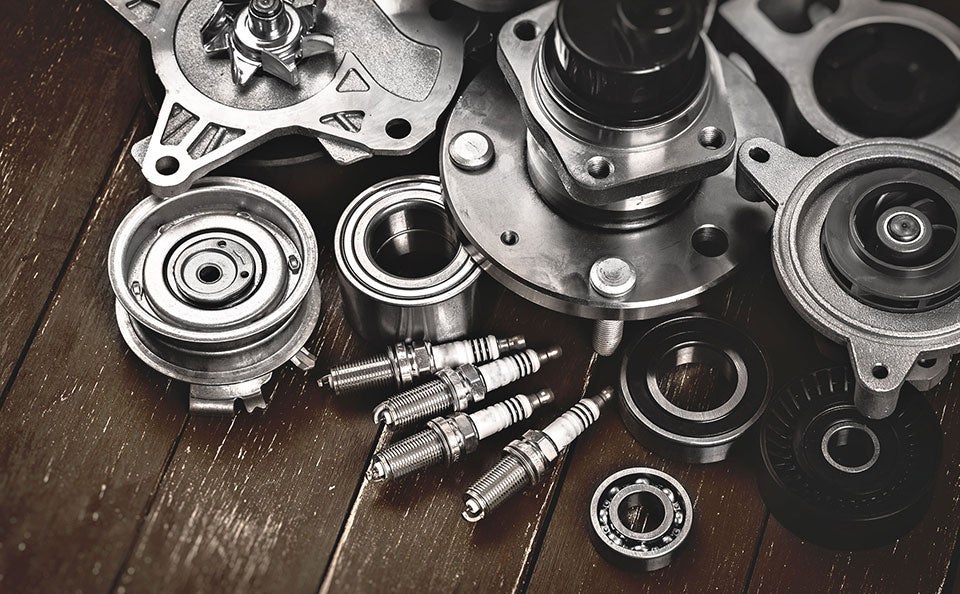
Your truck will occasionally need new parts, and when it does, you should always aim to get components made by the original manufacturer. You can easily get OEM parts for your truck or van through Mission Valley Ford Trucks and our service department will be more than happy to fit them into your vehicle and make sure that your vehicle remains running smoothly! Below are a few reasons you should shop OEM parts: more 1. They Fit Perfectly OEM components fit into your vehicle perfectly. These components are made for Ford models, and are always an exact match for the part they're replacing. Generic parts aren't made to fit specific models, as the goal of generic parts is to fit into as many vehicles as possible. As a result, they might need to be adjusted before they can be used in your truck, and they won't fit as perfectly as an OEM component even after being altered. 2. They're of Higher Quality You can never be 100% sure of the quality of generic parts. OEM components, though, must meet high quality standards set out by Motorcraft, the company that manufactures parts for Ford vehicles. These parts also undergo rigorous quality testing to make sure they work perfectly. As a result, these parts tend to last a long time, so they won't need to be replaced as often as generic components. 3. They Deliver the Best Performance Because OEM components are made to fit into your vehicle and work with the other parts in it, they'll always provide a better performance than generic parts. Ill-fitting, low-quality generic parts may even make the other parts in your truck perform worse. If you use your truck for intense activities, such as towing large loads, then you definitely won't want to take a chance on generic parts that could impact the truck's performance. 4. They Cost Less Over Time We've already mentioned how OEM components don't need to be replaced as frequently as generic ones. That saves you money in the long run, and there's even more money to be saved on top of that. OEM components typically need fewer repairs and tune-ups than generic parts, too, so you'll save even more every time you visit the dealer for maintenance. 5. They're Easy to Get It can be difficult to track down the right part for your truck if you're searching for aftermarket components. OEM components are much easier to get, as you can get them right through your dealer. Dealers often have commonly replaced parts on hand already, but if they don't have the part you need, then your dealer can order it from the manufacturer with no trouble. Come and get any new OEM parts you need at Mission Valley Ford. You can order new by calling and asking for our parts department if you already know what you need or stop by to talk to us in person.

Does Your Ford Truck Need a Radiator Repair?

Excessive heat is the greatest threat to a truck’s engine. The radiator and cooling system are our engine's primary defenses against the ever-present threat of overheating. If your radiator runs into any of the following problems, take your truck in for radiator repair at your nearest Ford dealership before the engine develops far more serious and costly trouble. more Your Temperature Gauge Is Rising Modern Ford trucks have very accurate engine temperature gauges displayed on the instrument panel. If you ever notice the needle ticking up into the overheating zone, your radiator may be malfunctioning and may no longer be able to keep your engine cool. When the gauge tells you the engine is overheating, pull over at once. Allow your engine to cool down before driving cautiously to your nearest dealership to have a technician diagnose the problem. If it's a long way to your nearest dealership, it may be safer to have your truck towed rather than risk the damage overheating may cause. Your Coolant Is Turning Brown Radiators can sometimes suffer from rust. You're likely to easily notice external rust, but radiators can also rust internally, especially if the coolant is aging and losing its anti-rust properties. If your radiator begins to rust on the inside, you'll see the coolant turning a rusty brown color when you check the coolant reservoir. A technician may be able to flush out and clean away internal rust. Your Coolant Is Leaking It's possible for coolant to leak from a rusty radiator or from a loose or cracked radiator cap or hose connection. If your radiator is leaking coolant, you might notice a brightly colored liquid puddling under your truck. It's best to have a coolant leak repaired promptly, so the radiator can continue to keep your engine cool. Your Radiator's Fins Are Damaged The radiator's fins allow heat to escape from the coolant as it passes through. If the fins become damaged by an impact, careless pressure washing, a stone, or if they become clogged by dirt and mulch, then they can no longer properly release heat. Clogged fins can usually be cleaned, but any worse damage may mean you need a new radiator. Your Cabin's Heater Stops Working The engine heat captured and then released by the coolant is recycled into the heating system for your truck's cabin. So, if you find one day that your cabin heater isn't blowing hot air, a faulty radiator may be to blame. Your Ford Dealer Identifies a Problem While flushing your coolant and inspecting your cooling system during routine scheduled maintenance, the technicians at your local dealership are likely to find and fix potential radiator problems while the problems are still small and harmless. This is why regular preventative maintenance is so important for any truck driver. Have the radiator and cooling system of your truck examined and repaired today at Mission Valley Ford Trucks. We've been providing excellent vehicles and customer service to the truck drivers of San Jose and the South Bay area since 1986.

Contact Us

Fill out this form below and we'll contact you shortly
*Required Fields