
Blog / Mission Valley Ford Service

How Often Does Your Ford Need an Oil Change?

Knowing how often to change the oil in your Ford is crucial to keep it running correctly. Here are some guidelines for when to head to the Ford dealership for an oil change.

For most modern Fords, you should change the oil between 5,000 and 7,500 miles. This will not be the same for every model and year, so always consult your Ford's owner's manual for the most accurate guidance.

There are some reasons you may need to change your oil more frequently than recommended, though. If you often tow heavy loads, take a lot of short trips, or often drive in very hot or cold temperatures, it may cause your oil to degrade faster.

Your Oil or Check Engine Light Comes On

Most new Fords have an oil life monitoring system that automatically calculates when it's time to change your oil. It takes things like the miles you've gone, the conditions you've driven in, and the time since your last change into account. If this light comes on, schedule your next oil service right away.

On the other hand, the check engine light can be triggered by many things. An oil problem should be near the top of your suspect list, but only a professional diagnostic can tell you specifically what caused the check engine light to come on.

You've Exceeded the Recommended Mileage

If you know you've driven more miles than recommended since your last change, it's time to schedule an oil service. If you can't remember when you last changed your oil, check inside your windshield on the driver's side. There is likely a sticker with the date and mileage of the last time it was done.

Your Oil is Dark and Dirty

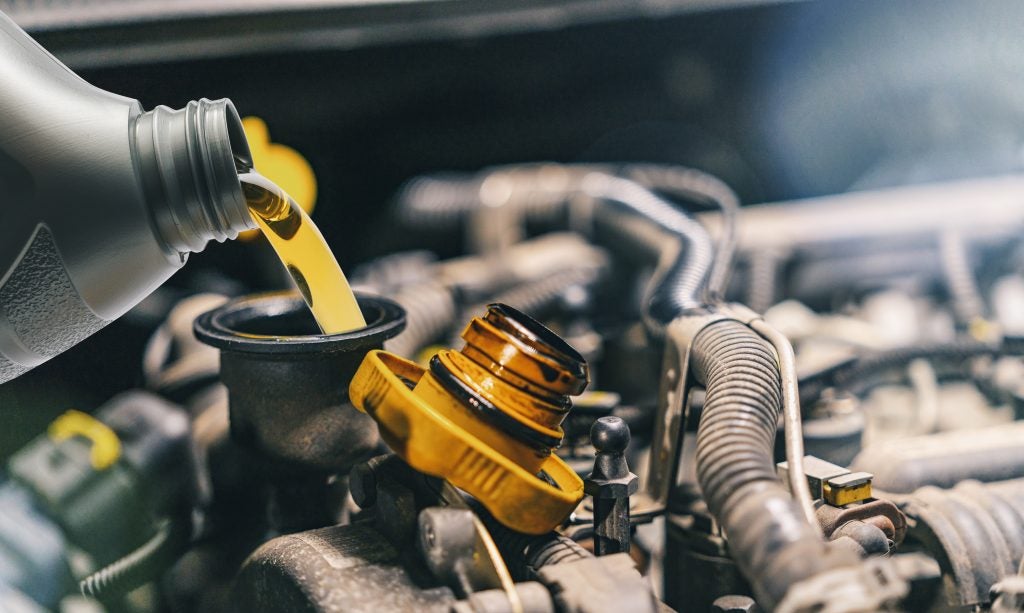
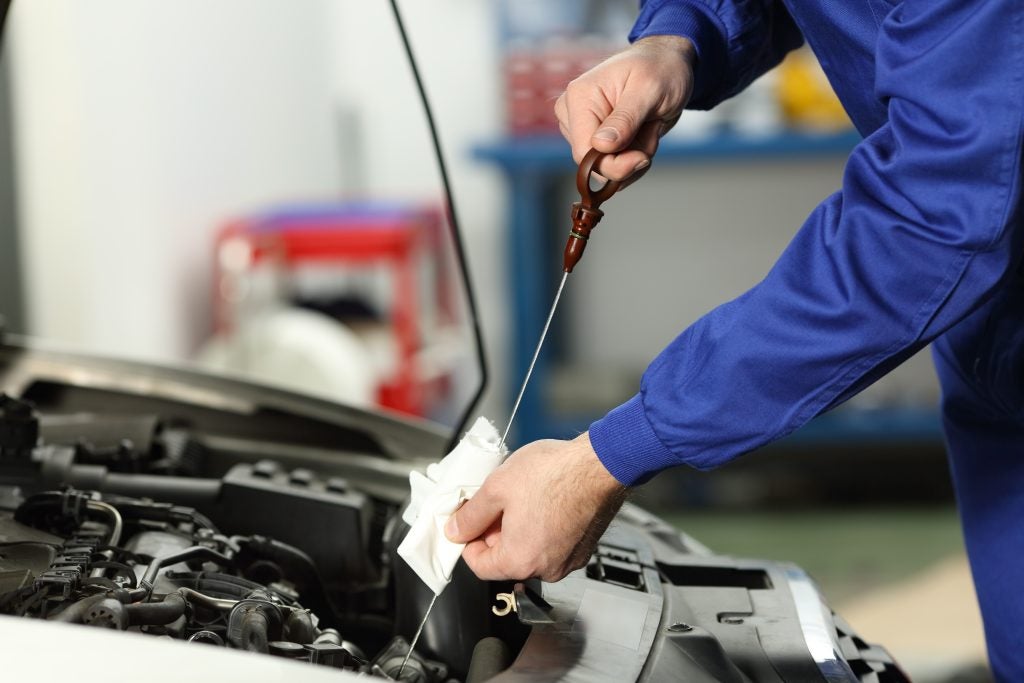
New engine oil should be a clear, amber color. If you pull out your dipstick and notice it's coated in dark, thick, gritty oil instead, your oil is full of contaminants and needs to be changed.

Your Exhaust Is Smoking

If you see smoke coming out of your exhaust instead of the normal vapor, something is burning in your car. It could indicate an oil leak or that oil is burning in the combustion chamber. Both of these could mean serious problems.

Why Change Your Oil?

Oil lubricates the moving parts of your engine, reducing friction as it moves. This helps to prevent the parts from wearing down. Oil also collects dirt and contaminants that could damage your engine. Changing it prevents them from building up. Finally, oil helps cool your engine, reducing your risk of overheating.

 By changing your oil on schedule, you can help ensure your vehicle keeps running smoothly and efficiently. Visit Mission Valley Ford and let us take care of your car's oil needs.
Posted in:

Related Posts

Mechanic checking engine oil level with a dipstick under the hood.

How Often Should You Schedule Commercial Truck Service in San Jose, CA?

If your business depends on trucks, keeping up with maintenance is essential. No matter if you're running a single work truck or managing a full fleet, staying on top of commercial truck service in San Jose, CA, can mean the difference between a productive workday and an unexpected breakdown on the job. Understanding the right service intervals helps protect your investment and keeps your drivers safe. more Why Service Intervals are Important for Commercial Trucks Commercial trucks work harder than the average passenger vehicle. They haul heavy loads, log more miles, and often operate in demanding stop-and-go conditions - all of which put additional stress on critical components. Skipping or delaying commercial truck service can lead to accelerated wear, costly repairs, and downtime that disrupts your operations. Ford trucks are built to handle tough jobs, but even the most durable vehicles need regular attention to perform at their best. General Service Milestones to Follow The right service schedule depends on factors like mileage, load weight, driving conditions, and the specific model you're operating. That said, there are some general guidelines most commercial truck owners should follow. Oil and filter changes are typically recommended every 5,000 to 10,000 miles for diesel-powered trucks, though your owner's manual will specify the right interval for your engine. Tire rotations and brake inspections should be done every 10,000 to 15,000 miles, and transmission fluid checks are usually recommended around every 30,000 miles. For trucks handling heavier commercial loads, some of these intervals may need to be shortened. Ford truck service should always be performed using OEM-approved parts to maintain your vehicle's warranty and long-term reliability. Seasonal and High-Use Considerations for Commercial Truck Service Working conditions significantly affect how quickly your truck wears down. Trucks used for towing, hauling construction materials, or frequent highway driving may need more frequent service than trucks used for lighter-duty tasks. It's also worth scheduling a full inspection at least once a year, regardless of mileage. Technicians can catch issues early - like worn belts, leaking seals, or low fluid levels - before they become expensive problems. Staying proactive with service reduces the likelihood of being sidelined at the worst possible time. Ford's Built-In Service Support Ford vehicles come with access to owner support tools that make it easier to manage your maintenance schedule. Through Ford's resources, owners can track service history, access vehicle information, and stay informed about recommended maintenance intervals for their specific truck. If you're managing one Super Duty or an entire fleet of F-150s, having that information at your fingertips helps you plan ahead. Commercial truck service is most effective when it's consistent and well-documented. Keeping accurate service records also adds value to your trucks if you decide to upgrade or trade in down the road. Keep Your Commercial Trucks Running at Their Best Staying ahead of maintenance is the smartest thing a business owner can do for their fleet. No matter if your trucks are racking up highway miles or grinding through daily local routes, routine service is what keeps them reliable and road-ready. The service experts at Mission Valley Ford Trucks are here to help you build a service plan that fits your operation. Visit missionvalleyford.com to learn more about available service options and schedule your next appointment.

Engine oil being poured into a car engine during an oil change.

Ford Mobile Service in San Jose, CA

Description of Ford Mobile Service Mission Valley Ford Trucks provides Ford Mobile Service in San Jose, CA. This service delivers vehicle maintenance directly to the home or office of a customer, and it allows a person to save time. This program is a helpful option for a person with a busy schedule, since certified technicians perform the work at your location. You should contact Mission Valley Ford Trucks to learn more about this mobile program, as it is a modern way to care for a vehicle. more Maintenance Ford Mobile Service is a maintenance program for owners in San Jose, CA. Instead of a trip to a service center, 1 technician travels to the location of the customer. This service includes 1 oil change, 1 tire rotation, and 1 brake inspection, which helps keep the vehicle safe. Technicians also perform 1 battery replacement at the home or the workplace, so you do not have to travel. Advantages of Mobile Care This service provides 4 specific benefits for drivers in the Bay Area. 1 benefit is convenience because the service comes to you, and it removes the need for a long drive. 2 is expert care because technicians use official parts, which ensures the work is done right. 3 is time savings because you do not have to wait at a dealership, and 4 is flexible scheduling for your daily routine. Types of Service Offered The mobile team offers several types of repair work for your car or truck. They perform 1 oil change and 1 filter change, and they also complete 1 brake repair. If you need 1 battery test or 1 tire rotation, the technician can do that at your house. These tasks help keep a vehicle in good condition, and they prevent future problems on the road. Book a Service Appointment You can schedule an appointment on the website for Mission Valley Ford Trucks. This process is simple and takes very little time, so you can get back to your work. This service is available for drivers in San Jose, CA and the surrounding area. Mobile maintenance ensures a vehicle is safe to drive, and Mission Valley Ford Trucks in San Jose, CA is available to assist with your vehicle needs.

What to Do When Your Check Engine Light Comes On

Few things get a driver’s attention faster than an unexpected warning light glowing on the dashboard. The Check Engine Light is one of the most important indicators in your vehicle, and it’s there for a reason. If you’re driving around San Jose, CA, and that little amber light suddenly appears, it’s your car’s polite but firm way of asking for a bit of attention. more It doesn’t always mean disaster, but it does mean something isn’t quite right. Ignoring it can turn a small, easily fixed issue into something far more expensive and inconvenient later on. The key is understanding what it might be telling you and knowing when to act. Why the Check Engine Light Turns On Simple Issues That Are Often Easy to Fix Sometimes, the cause is surprisingly ordinary. A loose or damaged gas cap is one of the most common triggers. It might seem trivial, but that cap is part of the vehicle’s emissions system. If it isn’t sealed properly, the system notices and switches the light on. Tightening it securely after refueling can occasionally solve the problem outright. Another frequent culprit is a faulty oxygen sensor. This component monitors how efficiently your engine burns fuel. When it stops working correctly, fuel economy can suffer and emissions can increase. The car may still drive normally, but leaving it unchecked can create bigger problems down the road. Problems That Shouldn’t Be Ignored In other cases, the Check Engine Light is warning you about something more serious. An engine misfire, for example, can point to worn spark plugs or a failing ignition coil. While the car might still run, performance often drops, and continued driving can damage other engine components. A failing catalytic converter is another issue that demands attention. This part plays a critical role in controlling emissions. If the light is paired with sluggish acceleration, rattling noises, or unusual exhaust smells, it’s time to stop guessing and get the vehicle checked properly. Why Proper Engine Diagnostics Matter Modern vehicles are remarkably clever. When something goes wrong, the onboard diagnostics system records fault codes that explain what the car is unhappy about. Reading those codes is the fastest and most accurate way to understand the problem. Professional engine diagnostics take the guesswork out of the process. Technicians can identify the exact issue rather than relying on symptoms alone, which means repairs are quicker and more precise. At Mission Valley Ford Trucks, advanced diagnostic equipment is used to pinpoint issues accurately, from minor sensor faults to more complex mechanical concerns. That clarity saves time, money, and frustration. How to Reduce the Chances of Seeing the Light Again Routine maintenance goes a long way toward keeping warning lights at bay. Regular oil changes, clean air filters, and scheduled inspections help keep the engine running as intended. Paying attention to small changes in performance can also alert you to issues before the dashboard does. Using quality parts and proper fluids matters as well. Components designed specifically for your vehicle tend to last longer and work better together, reducing the risk of unexpected problems. Get Peace of Mind in San Jose, CA If your Check Engine Light is on, it’s best not to ignore it or hope it goes away on its own. A quick diagnostic check can prevent a minor issue from becoming a major repair. Visit Mission Valley Ford Trucks in San Jose, CA, for expert engine diagnostics and dependable service. Their team is ready to help keep your vehicle running smoothly, safely, and efficiently—so you can get back on the road with confidence.