
Blog / Mission Valley Ford Service

Blog

All Mission Valley Ford Service San Jose Ford Dealer San Jose Community San Jose Ford Service San Jose Used Cars Ford F-150 Ford F-250 Ford F-350 Ford Trucks Ford Bronco Ford Ranger EV and Hybrids Ford Bronco Sport Ford Escape Ranger

Time for New Tires from Your Ford Dealer?

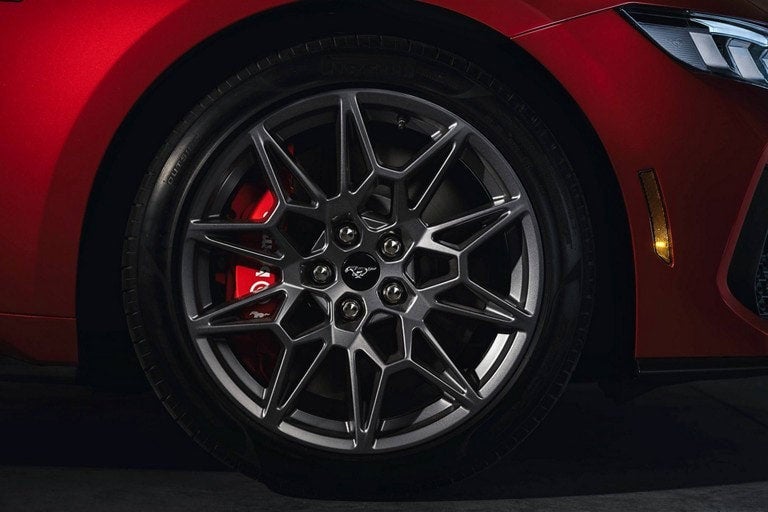
When you hit the open road in your trusty Ford truck, there's a lot more than the engine working to get you from point A to point B. Among the most essential components are the tires. Recognizing when to replace your truck's tires is crucial not only for the longevity of the vehicle but for your safety as well. As your trusted Ford dealer, we want to ensure you have the right information to determine when it's time for new tires. more Look at the Wear Patterns If certain parts of your tire are wearing down faster than others, it can indicate several issues, such as improper tire inflation, misalignment, or problems with suspension components. Regardless of the cause, uneven wear reduces the lifespan and performance of your tires and can be a safety hazard. Check the Tread Depth The tread on your tires serves the important function of channeling water to prevent hydroplaning, as well as providing grip on various road surfaces. A simple way to check tread depth is by using the penny test. Insert a penny into the tread with Lincoln's head pointing downwards. If the top of Lincoln's head remains visible, the tread depth is below the recommended 2/32 inch, indicating it's time for a change. Consider Their Age Even if the tread looks good and there are no visible damages, the age of your tires is an important factor. Rubber deteriorates over time due to various environmental factors. Most manufacturers recommend replacing tires every six to ten years, irrespective of tread wear. Look for Visible Damage Look for any signs of punctures, cuts, cracks, or bulges on the sidewall. Damage like this can make your tire prone to leaks or even a sudden blowout. While some minor issues like a small puncture can be repaired, significant damage often requires a complete tire replacement. Pay Attention to Vibrations While Driving If you feel unusual vibrations when driving, especially at highway speeds, it could be an indication that your tires are unbalanced or damaged internally. Persistent vibrations can lead to greater wear and tear on your vehicle's suspension and reduce the overall comfort of your ride. Note Any Reduced Performance If you've noticed that your truck doesn't handle as well in wet or snowy conditions as it used to, it may be due to reduced tread depth or compromised tire integrity. A loss of traction in such conditions can significantly increase the risk of accidents. You might also notice that you're burning through too much gas: this can mean your tire is underinflated, and if that keeps happening, it's likely a slow leak. Contact us at Mission Valley Ford when you notice any of these issues!
5 Reasons to Get OEM Parts for Your Ford Truck

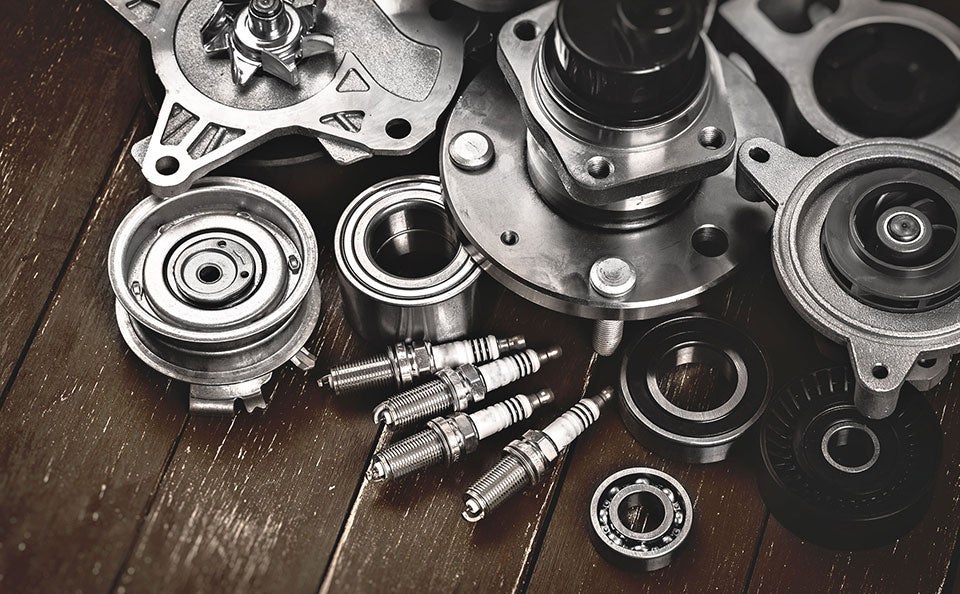
Your truck will occasionally need new parts, and when it does, you should always aim to get components made by the original manufacturer. You can easily get OEM parts for your truck or van through Mission Valley Ford Trucks and our service department will be more than happy to fit them into your vehicle and make sure that your vehicle remains running smoothly! Below are a few reasons you should shop OEM parts: more 1. They Fit Perfectly OEM components fit into your vehicle perfectly. These components are made for Ford models, and are always an exact match for the part they're replacing. Generic parts aren't made to fit specific models, as the goal of generic parts is to fit into as many vehicles as possible. As a result, they might need to be adjusted before they can be used in your truck, and they won't fit as perfectly as an OEM component even after being altered. 2. They're of Higher Quality You can never be 100% sure of the quality of generic parts. OEM components, though, must meet high quality standards set out by Motorcraft, the company that manufactures parts for Ford vehicles. These parts also undergo rigorous quality testing to make sure they work perfectly. As a result, these parts tend to last a long time, so they won't need to be replaced as often as generic components. 3. They Deliver the Best Performance Because OEM components are made to fit into your vehicle and work with the other parts in it, they'll always provide a better performance than generic parts. Ill-fitting, low-quality generic parts may even make the other parts in your truck perform worse. If you use your truck for intense activities, such as towing large loads, then you definitely won't want to take a chance on generic parts that could impact the truck's performance. 4. They Cost Less Over Time We've already mentioned how OEM components don't need to be replaced as frequently as generic ones. That saves you money in the long run, and there's even more money to be saved on top of that. OEM components typically need fewer repairs and tune-ups than generic parts, too, so you'll save even more every time you visit the dealer for maintenance. 5. They're Easy to Get It can be difficult to track down the right part for your truck if you're searching for aftermarket components. OEM components are much easier to get, as you can get them right through your dealer. Dealers often have commonly replaced parts on hand already, but if they don't have the part you need, then your dealer can order it from the manufacturer with no trouble. Come and get any new OEM parts you need at Mission Valley Ford. You can order new by calling and asking for our parts department if you already know what you need or stop by to talk to us in person.

Does Your Ford Truck Need a Radiator Repair?

Excessive heat is the greatest threat to a truck’s engine. The radiator and cooling system are our engine's primary defenses against the ever-present threat of overheating. If your radiator runs into any of the following problems, take your truck in for radiator repair at your nearest Ford dealership before the engine develops far more serious and costly trouble. more Your Temperature Gauge Is Rising Modern Ford trucks have very accurate engine temperature gauges displayed on the instrument panel. If you ever notice the needle ticking up into the overheating zone, your radiator may be malfunctioning and may no longer be able to keep your engine cool. When the gauge tells you the engine is overheating, pull over at once. Allow your engine to cool down before driving cautiously to your nearest dealership to have a technician diagnose the problem. If it's a long way to your nearest dealership, it may be safer to have your truck towed rather than risk the damage overheating may cause. Your Coolant Is Turning Brown Radiators can sometimes suffer from rust. You're likely to easily notice external rust, but radiators can also rust internally, especially if the coolant is aging and losing its anti-rust properties. If your radiator begins to rust on the inside, you'll see the coolant turning a rusty brown color when you check the coolant reservoir. A technician may be able to flush out and clean away internal rust. Your Coolant Is Leaking It's possible for coolant to leak from a rusty radiator or from a loose or cracked radiator cap or hose connection. If your radiator is leaking coolant, you might notice a brightly colored liquid puddling under your truck. It's best to have a coolant leak repaired promptly, so the radiator can continue to keep your engine cool. Your Radiator's Fins Are Damaged The radiator's fins allow heat to escape from the coolant as it passes through. If the fins become damaged by an impact, careless pressure washing, a stone, or if they become clogged by dirt and mulch, then they can no longer properly release heat. Clogged fins can usually be cleaned, but any worse damage may mean you need a new radiator. Your Cabin's Heater Stops Working The engine heat captured and then released by the coolant is recycled into the heating system for your truck's cabin. So, if you find one day that your cabin heater isn't blowing hot air, a faulty radiator may be to blame. Your Ford Dealer Identifies a Problem While flushing your coolant and inspecting your cooling system during routine scheduled maintenance, the technicians at your local dealership are likely to find and fix potential radiator problems while the problems are still small and harmless. This is why regular preventative maintenance is so important for any truck driver. Have the radiator and cooling system of your truck examined and repaired today at Mission Valley Ford Trucks. We've been providing excellent vehicles and customer service to the truck drivers of San Jose and the South Bay area since 1986.

3 Engine Problems You Should Always Get Fixed at Your Ford Dealer

​​​​​​​​​​​​​​​​The thought of engine problems is scary for many drivers. Fortunately, in San Jose, CA, your Ford dealer is here to help you. We can diagnose and repair any possible problem for you. Our technicians can also perform regular services to prevent these problems altogether. These are some of the problems we can fix. more Weak Alternator Your Ford depends on a constant and consistent electricity supply to enable all its systems to work correctly. The alternator's function is to produce this electricity, which is then supplied to every system via wires and cables. The alternator can weaken due to age, and it can be weakened or damaged by other problems in the engine. Problems like a damaged battery can also hurt your alternator. The alternator recharges the battery at full power for ten minutes, then switches to recharging at 10% of battery capacity. A damaged battery won't signal that the first charge has been received, and the alternator can wear itself out trying to supply more power. We'll examine your alternator and either repair the problem or replace the alternator to fix this problem. Sensor Problems Sensors are installed throughout your engine, and they provide vital information to your car's computer. This information is used by the computer to enable your car to work smoothly and effectively. The computer makes driving easier, as it takes over tasks that were previously performed by the driver. Sensors can fail in time, and this can create major problems for your car's computer. An example of this is a failed oxygen sensor. Oxygen sensors are positioned in your engine and the exhaust, and they monitor the level of oxygen in your engine. Your engine requires 14x more air than fuel for combustion, making air supply critical for the engine. If an oxygen sensor fails, this can lead to problems like a fuel-rich engine, stalling, and a damaged catalytic converter. We can test your sensors and replace any damaged ones. Check Engine Light Some drivers ignore an illuminated engine light, as they don't want to confront a problem. Comedians even tell jokes about the check engine light. This light, however, is one of the most important warning signs your car can give. The check engine light is illuminated by your computer if sensors detect a problem anywhere in your engine. Sometimes an engine problem is easy for a driver to notice. Misfiring, engine leaks, and other obvious signs make it easy to identify the issue. In other cases, a problem can't be identified without a thorough examination. Our technicians will identify, trace, and repair the cause of the problem. We can repair any problem for you. Call our service department today at Mission Valley Ford.

An Overview of the 2023 Ford F-450

People looking for one of the sturdiest trucks on the market need look no further than their local Ford dealer. The Ford F-450 is packed with power, but it's also comfortable and stylish on top of it. more It Has a High-Power Output A truck this strong needs to have a lot of power under the hood, and the F-450 doesn't disappoint. The 6.7-liter High-Output Power Stoke Turbo Diesel engine has an astonishingly high torque output of 1,200 lb-ft and 500 hp. It's not only the most powerful Super Duty truck Ford has ever made; it's the best in its class. It Tows Tremendously There are several engine options available for the F-450, and all of them give it tremendous towing power. The Fifth Wheel Hitch Kit gives the truck a 32,500-lb DRW, and various features assist with towing. One of the driving modes the truck offers is for towing/hauling, and Smart Hitch Technology helps boost your confidence while towing as it measures tongue weight. The Smart Hitch Technology is available on the Limited, Platinum, King Ranch, and LARIAT models manufactured after the spring of 2023. It Has Plenty of Payload Capacity Payload capacity is important too, and the F-450 doesn't disappoint in that department. OnBoard Scales give an estimate of both the balance and weight of everything you put in the truck bed. The taillamps give you visual cues regarding the balance as you load up your gear. This should help make driving smoother, as you'll be able to evenly place all the items you need to transport in your truck bed. The OnBoard Scales are available on the same models as the Smart Hitch Technology mentioned earlier, and the two features work hand in hand to make transporting all kinds of cargo easier than ever. It Has a Comfortable Interior You need to stay comfortable while driving, and thankfully, you'll find plenty of comfort in the F-450. Dual-Zone Automatic Temperature Control makes sure you're not too warm or cold no matter what season it is. There are various grab handles around the cabin, and a telescoping steering wheel ensures the driver's arms remain comfortable during long journeys. There's space to store your personal items while driving, and the seats are nice and wide so you can relax. Overall, it's a nice cabin that's well-made for supporting passengers on long and short trips. It Has Safety Features The F-450 is loaded with safety features to make you feel more secure. Some of the safety features available include: Automatic Emergency Braking Post-Collision Braking Intersection Assist Reverse Sensing System Child Tethers Do you want this powerful truck in your life? Come by Mission Valley Ford to take a look at your favorite Ford trucks in person.

6 Signs Your Ford Needs a Transmission Repair

Whether your Ford truck or car has an automatic or manual transmission, you'll occasionally need to have it repaired. With proper upkeep and prompt repair work, your transmission can last for the lifetime of your vehicle. The following indications of trouble are good reasons to visit your local Ford dealer for transmission repair. The sooner you respond to problems, the less likely they are to develop into anything worse. more Any leak in transmission fluid means your gears will rapidly overheat. Without lubrication, they'll grind against each other roughly. This will rapidly lead to parts breaking and jamming up. Leaks need to be located and fixed quickly, so the fluid can be topped up and your transmission saved. Grinding Sounds When transmission fluid is low, leaking, or growing too old to properly perform its function, you'll hear gears grinding noisily against each other when you try to shift. Grinding sounds are often the first sign of gearbox trouble before you experience the more troublesome symptoms. Gears Refusing To Change A transmission that's really begun to wear down will stop you from shifting gears altogether. This is a certain sign that you need to see a technician immediately. Gears Slipping The most disconcerting result of a failing gearbox is slipping gears. You'll initially experience this as loud revving when you shift. Later, your gears might begin to shift all on their own. This can be due to worn-down gear teeth, a faulty solenoid, a malfunctioning torque converter, or something else. Needless to say, gear slippage puts you in danger while on the road. Dragging Clutch A dragging clutch is a clutch that fails to properly engage or disengage, inhibiting your ability to change gears smoothly. You might feel sponginess and hear squeaking sounds when you apply the clutch. It might also get stuck, causing your vehicle to lurch suddenly as you change gears. A worn clutch is only a problem that drivers with manual transmissions are likely to notice, as they're operating the clutch themselves. But automatic transmissions can also develop clutch trouble. Have your Ford vehicle's transmission inspected today by qualified professionals at Mission Valley Ford Truck Center. We provide top-notch Ford trucks at affordable prices with excellent customer care.

Does Your Ford Need an Alternator Repair?

The alternator is essential for your Ford, as it produces the power for all your car's electrical systems. The average life of an alternator is eight years, but this can be reduced due to damage caused by other failing components. As your Ford dealer, we can perform an alternator repair for you and replace it if it's damaged or worn out. These are some signs that your alternator is in trouble. more Do You Need an Alternator Repair at Your Ford Dealer? Burning Metal Smell If you smell a hot, metallic smell when driving, this is usually a sign that one of your engine components is overheating. When your alternator gets older, its worn components can't produce the level of power it once did. This causes problems for your car systems, as they all depend on a steady supply of electricity. The reduced power output from the alternator causes the alternator to spin faster to compensate. An alternator isn't designed for this increased speed, and it will heat up and produce a burning metal smell. The faster spinning motion will result in further damage to the alternator. Our technicians will examine your alternator and replace it immediately if it's overheating. Damaged Fuses Your Chevy's electrical components all have fuses attached to them. These fuses act as protection against sudden spikes or electrical overloads in the system. An electrical spike will strike the fuse, which blows and shuts down its component. A damaged fuse is easy to replace, and its sacrifice saves the component from damage. if the alternator fuse blows, this causes a major effect on your car. The alternator switches off immediately, and your car has to rely on battery power alone to support the spark plugs, pumps, and other electrical components. A battery has a very limited storage capacity, and these extra demands will quickly drain its power. We can easily replace the blown alternator fuse, and it'll switch on again. Worn Alternator Belt The alternator connects to a pulley, and this pulley spins as the alternator belt passes over it. The alternator belt is made from tough, reinforced rubber, and its movement is powered by the crankshaft. As the crankshaft turns when you drive, the alternator belt passes rapidly over the pulleys. This continual movement generates slight friction on the belt each time it moves. In time, the belt will show signs of wear. The rubber becomes less elastic, which will cause cracks to form. A crack in the belt will affect its speed and cause it to snap. We'll examine the belt and replace it if it's wearing out. A damaged alternator can shut your engine down. If you suspect a problem, call us immediately at Mission Valley Ford.

Signs You Need a Brake Repair at Your Ford Dealer

Your brakes give you the ability to control your speed and slow down and stop at any time. As mechanical components, your brakes are subject to wear and damage. Damage to your braking system can put you, your car, and other drivers and pedestrians at risk. If your Ford is showing signs of a brake problem, we can fix the problem for you at your Ford dealer. These are signs that you need a brake repair. Spongy Brakes You should feel resistance when you step on the brakes, and the more force you exert, the more resistance you should feel. If your pedal feels spongy, your pedal provides almost no resistance. This might not seem like a problem, but it's a sign that you have low pressure in the braking system. Your brake system needs high pressure to work correctly. When you apply the brakes, fluid is forced into the brake hoses from the brake fluid reservoir. This pressure creates the hydraulic force necessary for the calipers to close on the wheel rotors and bring your car to a stop. If the system has low pressure, the calipers may not close completely, and your car will have difficulty stopping. Spongy brakes are usually the result of low brake fluid, which a fluid leak could cause. more Burning Brake Fluid As we saw above, brake fluid is forced into the brake hoses when you step on the brakes. This fluid exerts hydraulic pressure on the calipers that are attached above the wheel rotors. These calipers will close on the rotors, and this movement brings your car to a stop. The pressure in the brake hoses causes the fluid to heat up, and when you take your foot off the brake, the fluid starts to cool down. If you are riding your brakes, the brake fluid is continually in the hoses. The constant high pressure will keep the fluid hot and can lead to your fluid overheating. If the brake fluid overheats, it will quickly start to boil. Boiling brake fluid gives off a strong chemical smell which is easily noticeable. The most serious problem is that the fluid loses its ability to provide hydraulic power, which reduces your braking ability. Squealing Noises When your brake pads are wearing low, they produce a screeching sound as a warning that they need to be replaced. A squealing noise from your brakes is different, and it usually points to rotor problems. Your wheel rotors are attached behind your wheels, and these rotors can sustain damage. Rotors can grow very hot, and combined with the friction of braking, they can develop problems. The rotors are also exposed to environmental factors like water splashing up from the road. If your car is regularly exposed to water, your rotors can begin to rust. The squealing sound is made by rusted rotors that are having difficulty turning. If you see signs of brake problems, call our service department right away at Mission Valley Ford Truck Center.

San Jose, CA, Ford Drivers: How Often Should You Get a Ford Oil Change?

The best thing you can do for your Ford is regular oil and filter changes. Oil lubricates the moving parts, reduces wear, increases performance, and prolongs the life of your engine. Best of all, a regular Ford oil change at your San Jose, CA, Ford dealership will ensure that your vehicle is fuel-efficient, running smoothly, and on the road for longer. Oil and Filter Change Intervals Ford recommends that the oil and filter must be changed every 5,000 to 10,000 miles or every six months, whichever comes first. How often you change the oil in your Ford will depend on the engine type, driving habits, and the road and weather conditions. The oil and filter intervals for your specific Ford model are in your owner's manual. You can also speak to your Ford technician about the recommended oil and filter changes. more The Intelligent Oil-Life Monitor (IOLM) Newer Ford models are equipped with the Intelligent Oil-Life Monitor (IOLM) to assist drivers in determining when an oil change is due. The IOLM analyzes factors such as your speed and driving habits, the temperature and road conditions, and calculates when an oil change is required. The monitor counts down from 100%, and when it reaches 15%, you will receive a warning to change the oil. To avoid damage to your vehicle's engine, don't wait for the monitor the reach 0%. When you receive the oil change warning, schedule an appointment at your Ford dealership as soon as possible. After every oil change, the Ford technician will reset the monitor. The Importance of Quality Oil and Filters Not only is it vital to change the oil in your Ford regularly, but it is also crucial to insist on quality oil and filters. Your Ford technician knows how important the proper grade of oil is to keep your vehicle's engine clean and reduce wear. Ford recommends top-quality conventional, synthetic, and synthetic blend Motorcraft oils to improve engine performance. Every time the oil in your Ford is changed, the technician will replace the filter with a Motorcraft oil filter to prevent buildup, keeping the oil cleaner for longer. Benefits of Regular Oil and Filter Changes When you change the oil and filter at the recommended intervals, you will reap many benefits, including saving money on gas and repairs. Clean oil protects your engine against friction and wear, keeping it clean and cool and all the parts running smoothly, ensuring that your Ford is fuel-efficient. Fresh oil will prevent harmful contaminants from damaging your engine, saving you money on expensive repairs. You will pass an emissions test with flying colors with a clean-burning engine. When your engine performs optimally, it will last, keeping your Ford on the road for longer. When it comes to maintaining your Ford, regular oil and filter changes are vital to ensure that your vehicle is running smoothly. Contact Mission Valley Ford today for an oil and filter change. Our qualified Ford technicians will perform an expert oil change, ensuring that your engine performs optimally and your Ford is fuel-efficient.

Contact Us

Fill out this form below and we'll contact you shortly
*Required Fields