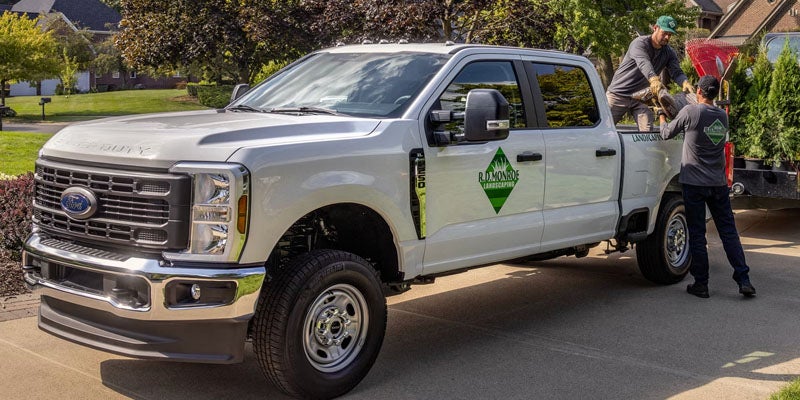

Purchasing a new work truck is a major investment for any business. Whether you're replacing an aging vehicle, expanding your fleet, or purchasing your first commercial truck, it's important to consider the financial benefits that may come with the purchase. One opportunity business owners should know about is the Section 179 tax deduction. Section 179 allows qualifying businesses to deduct the cost of certain business equipment and vehicles in the year they're placed into service rather than depreciating the entire purchase over several years. For San Jose contractors, construction companies, landscapers, and other businesses that depend on commercial trucks, this deduction could make upgrading equipment more financially appealing. Here's what Section 179 is, how it works, and what commercial truck buyers should understand before purchasing a new Ford work truck. What Is the Section 179 Tax Deduction? Section 179 is a provision in the federal tax code that allows businesses to deduct the purchase price of qualifying equipment and vehicles used for business purposes. Instead of spreading the deduction across several years through standard depreciation, eligible businesses may be able to deduct some or all of the qualifying purchase cost in the year the equipment is placed into service. For the 2026 tax year, the maximum Section 179 deduction is $2,560,000. The deduction begins to phase out when total qualifying property purchases exceed $4,090,000. This provision was designed to help businesses invest in equipment and other assets needed to operate and grow. Commercial vehicles, including certain pickups, vans, and work trucks, may qualify depending on their specifications and how they're used. It's important to understand that Section 179 is a tax deduction, not a tax credit. It reduces the amount of income subject to taxation rather than directly reducing your tax bill by the full purchase price. Which Commercial Trucks May Qualify? Not every vehicle qualifies for the same deduction, and vehicle classification matters. Many commercial trucks and vans can qualify for Section 179 treatment, provided they meet the applicable requirements. Certain heavier pickups and cargo vans may also fall outside the special deduction limits that apply to some passenger-oriented SUVs. For example, the IRS provides exceptions to the heavy SUV deduction limit for certain vehicles with qualifying cargo areas of at least six feet in interior length that aren't readily accessible from the passenger compartment. This is particularly relevant for businesses shopping for commercial Ford vehicles. The vehicle's GVWR, body configuration, cargo area, and business use can all affect its eligibility and applicable deduction limits. Always confirm the specific vehicle's classification with your tax professional. Why Section 179 Can Be Helpful for Commercial Truck Buyers For businesses that rely on vehicles every day, upgrading equipment isn't just an expense. It's an investment in productivity, reliability, and the ability to take on more work. Section 179 can make that investment more manageable by potentially allowing businesses to recover qualifying costs sooner through tax deductions. Some potential benefits include: Improved Cash Flow: Rather than spreading eligible deductions over several years, businesses may be able to claim a larger deduction in the year a qualifying vehicle is placed into service. This can help with tax planning and cash flow. Fleet Expansion: Businesses planning to add multiple vehicles may be able to use Section 179 as part of their equipment investment strategy, subject to the annual limits. Upgrading Older Equipment: Replacing an older work truck with a newer model can help businesses maintain dependable transportation while potentially taking advantage of available deductions. Investing in Productivity: A properly equipped commercial truck can help employees transport tools, equipment, and materials more efficiently. For businesses that depend on their vehicles, having the right truck can make a difference every workday. The important thing is to look at the complete financial picture. A potential tax deduction should support a purchase that makes sense for your business, not be the only reason to buy a new vehicle. Does the Truck Have to Be Purchased Before the End of the Year? Timing matters when planning for a Section 179 deduction. Generally, qualifying property must be purchased, acquired, and placed into service during the applicable tax year. Simply placing an order or signing paperwork before December 31 doesn't necessarily mean the vehicle qualifies for that year's deduction. For example, if your business is planning to purchase a new Ford Super Duty, you'll want to discuss the ordering timeline, delivery date, and when the truck will actually be ready and available for business use with your dealership and tax professional. If you're considering adding a commercial vehicle before the end of 2026, starting the process early can give you more time to review available inventory, discuss ordering options, and understand the timing requirements. Find Your Next Commercial Ford Truck at Mission Valley Ford If your business is planning to invest in a new work truck, now is a great time to explore your options. From the Ford F-150 to the heavy-duty Super Duty lineup and commercial Transit vans, Mission Valley Ford Trucks offers vehicles designed to help San Jose businesses get the job done. Our team can help you explore commercial Ford inventory, compare available configurations, and discuss ordering options for your business. Whether you're purchasing one work truck or expanding an entire fleet, finding the right vehicle is an important first step. Visit Mission Valley Ford Trucks to browse our new commercial truck inventory and start planning your next business vehicle purchase.