Blog

Key Specs and Features of the 2024 Ford F-650

The 2024 Ford F-650 is a fantastic choice for anybody looking for a hefty commercial truck. It has a GVWR of up to 37,000 pounds and a GCWR of up to 50,000 pounds. Anybody seeking a powerful commercial vehicle like this should visit their local Ford dealer to see everything the truck has to offer.

Engine Power

There are two engines available for the F-650. One is a class-exclusive 7.3-liter V8 gas engine with a torque output of 468 lb-ft and a hp output of 335. It manages high temperatures very well thanks to its piston cooling jets, while the extra-large main bearings and forged steel crankshaft enhance durability.

The other option is a 6.7-liter V8 turbodiesel engine with two available power ratings. One variation of this engine produces 270 hp and 700 lb-ft of torque, while the other produces 330 hp and 750 lb-ft of torque. Its turbocharger is located between the top of the block and the cylinder heads, giving it an inverse-flow design. This design contributes to its incredible power and quick air displacement.

Transmission Options

Diesel F-650 models have a standard 10-speed automatic Ford TorqShift transmission. It operates smoothly without RPM dropoff due to its small gear step ratios. Its reverse and first gear step ratios are short to ensure the truck moves swiftly on soft surfaces.

The Ford TorqShift Heavy Duty 6-speed manual transmission pairs with the 7.8-liter engine. To handle the demanding nature of this engine, the transmission has a three-plate/two-stage torque converter, extra pinion gears, and strengthened gear sets. This transmission equips your truck with tow/haul mode to make towing more efficient when going uphill and downhill.

Available Alternators

There are multiple alternator choices on the F-650. The standard alternators are a 200 amp alternator on diesel models and a 210 amp alternator on gas models. A 240 amp alternator is available on gas and diesel models alike.

For extra power, consider heavy-duty dual alternators. Gas models have 240 and 157 amp dual alternators available, giving you a combined amp output of 397. Drivers seeking a diesel model can opt for 200 and 157 amp alternators, providing a combined output of 357.

Telescoping Trailer Tow Mirrors

There are manual telescoping trailer tow mirrors on the F-650, complete with power-adjusting flat lenses. You can extend the head of the mirror when you have a trailer equipped, allowing you better visibility. You can then retract the mirror when driving without a trailer. These mirrors have heated glass, manually adjustable spotter mirrors, and integrated turn signals and clearance lamps.

Want to learn even more about this commercial truck? Come and take a look at the Ford F-650 at Mission Valley Ford in San Jose, CA.

Recommended Posts

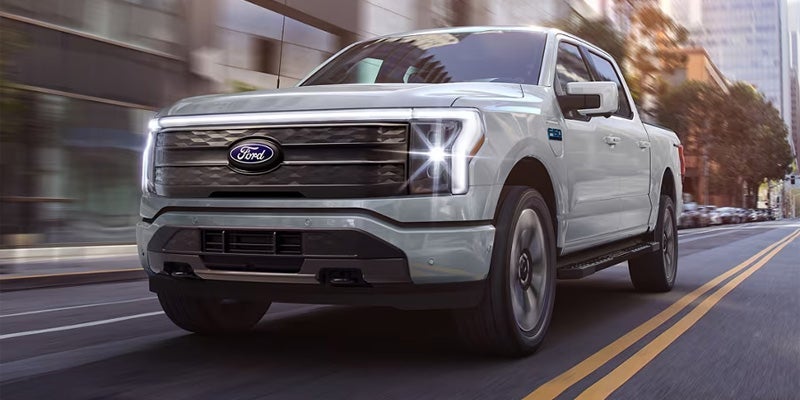
Ford EV vehicle driving on a city street

Ford EV Ownership Guide: Could Going Electric Help You Beat High Gas Prices?

With gas prices continuing to affect household budgets and business operating costs, more drivers are looking at electric vehicles as an alternative to traditional gas-powered models. For San Jose drivers and businesses, switching to a Ford electric vehicle could offer an opportunity to reduce fuel expenses, simplify certain maintenance needs, and enjoy the benefits of all-electric driving. Ford's electric lineup includes options for different lifestyles and work requirements, from the Mustang Mach-E® SUV to the F-150 Lightning® electric pickup and E-Transit™ commercial van. Before making the switch, it's worth understanding what EV ownership actually looks like, how charging works, and whether an electric Ford fits your daily driving needs. Why Consider Switching to an Electric Ford? One of the biggest reasons drivers consider an electric vehicle is the potential to save on energy costs. Instead of purchasing gasoline, EV owners charge their vehicles using electricity. Depending on local electricity rates, charging habits, driving distance, and vehicle efficiency, this can potentially cost less than filling up a traditional gas-powered vehicle. For businesses operating multiple vehicles, those savings can become especially interesting. A company with predictable daily routes and access to overnight charging may be able to reduce its fuel expenses while keeping vehicles ready for the next workday. Electric vehicles also have fewer routine maintenance requirements than traditional gas-powered vehicles. Since they don't use engine oil, spark plugs, or traditional exhaust systems, owners can avoid certain maintenance services associated with combustion engines. Tire rotations, brake inspections, cabin air filters, and other routine checks are still important, but the maintenance schedule can look different. For drivers tired of watching the gas pump total climb, an electric Ford is worth considering. Which Ford Electric Vehicle Is Right for You? Ford offers electric vehicles designed around different driving needs. The right model depends on whether you're commuting, transporting equipment, or managing a commercial fleet. The Mustang Mach-E® is an all-electric SUV that combines everyday practicality with responsive electric performance. It's a good option for drivers who want an electric vehicle for commuting around San Jose, running errands, and taking longer highway trips. The F-150 Lightning® brings electric power to the pickup truck segment. It offers the familiar functionality of an F-150 with the added benefits of an all-electric powertrain. For businesses and truck owners who want pickup capability without gasoline, the Lightning is an option worth exploring, depending on current model availability. For commercial customers, the E-Transit™ provides an all-electric alternative to a traditional cargo van. Businesses with local delivery routes, service operations, or predictable daily driving schedules may find an electric commercial van worth considering. Each vehicle serves a different purpose, so think about your daily mileage, cargo requirements, passenger needs, and access to charging before choosing. Charging Your Ford EV: What Should You Know? One of the biggest adjustments to EV ownership is changing how you think about refueling. Instead of stopping at a gas station, many electric vehicle owners charge at home while their vehicle is parked overnight. Home charging is often the most convenient option for drivers with access to a dedicated parking space and the ability to install a compatible charging station. You can plug in when you get home and start the next day with additional driving range. Public charging is another option, particularly when traveling longer distances or when home charging isn't available. Depending on the charging station and vehicle, you may be able to use Level 2 charging or DC fast charging to add range while you're away from home. Before purchasing an electric vehicle, consider where you'll charge it most often. San Jose drivers should look at their home parking situation, workplace charging availability, and the public charging stations along their regular routes. How Far Can You Drive on a Ford EV? Driving range is one of the most common questions prospective EV owners have. The answer depends on the model, battery configuration, driving conditions, and how the vehicle is used. For example, the Ford F-150 Lightning has offered EPA-estimated ranges of up to 320 miles with select extended-range configurations. Actual range varies with factors such as temperature, speed, payload, terrain, and towing. Towing and hauling deserve additional consideration, especially for commercial truck buyers. Pulling a heavy trailer can significantly reduce electric driving range, so businesses should evaluate their regular routes and charging opportunities before choosing an electric pickup. For a driver commuting around San Jose or a delivery business following consistent local routes, an EV may fit naturally into the workday. For businesses regularly traveling long distances or towing heavy equipment, a gas or diesel Ford truck may remain the more practical choice. Are Electric Vehicles More Affordable to Maintain? EV ownership can offer maintenance advantages because electric motors have fewer moving parts than traditional gasoline engines. There's no engine oil to change, and regenerative braking can help reduce wear on traditional brake components. However, electric vehicles aren't completely maintenance-free. Tires, suspension components, brakes, cabin air filters, and other systems still require attention. Battery condition and charging habits are also important parts of long-term ownership. Ford electric vehicles include high-voltage battery warranty coverage, with coverage generally extending to 8 years or 100,000 miles, whichever comes first, subject to the applicable vehicle warranty terms. When comparing the cost of ownership, look beyond the initial purchase price. Consider electricity rates, insurance, maintenance, charging equipment, driving habits, and available vehicle incentives or offers. Explore Ford Electric Vehicles at Mission Valley Ford High gas prices have plenty of drivers rethinking what they spend at the pump. Whether you're interested in an electric SUV for your daily commute or exploring an electric commercial vehicle for your business, understanding the costs and benefits of EV ownership is the first step. Mission Valley Ford Trucks serves San Jose drivers and businesses looking to explore Ford's latest vehicle technology. Visit our Ford electric vehicle FAQ page to learn more about charging, range, and ownership, or browse our new Ford inventory to explore available models. Our team can help you compare powertrain options and find a Ford that fits your driving or business needs.

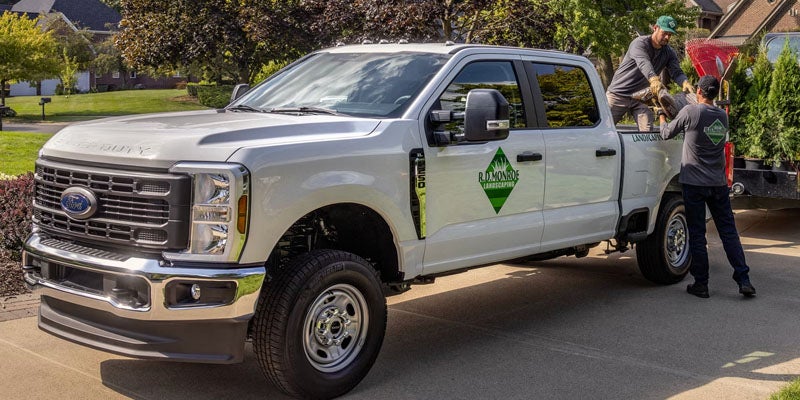
Silver Ford Super Duty truck with workers loading landscaping equipment.

Section 179 Tax Deduction: How Businesses Can Benefit When Buying a Commercial Truck

Purchasing a new work truck is a major investment for any business. Whether you're replacing an aging vehicle, expanding your fleet, or purchasing your first commercial truck, it's important to consider the financial benefits that may come with the purchase. One opportunity business owners should know about is the Section 179 tax deduction. Section 179 allows qualifying businesses to deduct the cost of certain business equipment and vehicles in the year they're placed into service rather than depreciating the entire purchase over several years. For San Jose contractors, construction companies, landscapers, and other businesses that depend on commercial trucks, this deduction could make upgrading equipment more financially appealing. Here's what Section 179 is, how it works, and what commercial truck buyers should understand before purchasing a new Ford work truck. What Is the Section 179 Tax Deduction? Section 179 is a provision in the federal tax code that allows businesses to deduct the purchase price of qualifying equipment and vehicles used for business purposes. Instead of spreading the deduction across several years through standard depreciation, eligible businesses may be able to deduct some or all of the qualifying purchase cost in the year the equipment is placed into service. For the 2026 tax year, the maximum Section 179 deduction is $2,560,000. The deduction begins to phase out when total qualifying property purchases exceed $4,090,000. This provision was designed to help businesses invest in equipment and other assets needed to operate and grow. Commercial vehicles, including certain pickups, vans, and work trucks, may qualify depending on their specifications and how they're used. It's important to understand that Section 179 is a tax deduction, not a tax credit. It reduces the amount of income subject to taxation rather than directly reducing your tax bill by the full purchase price. Which Commercial Trucks May Qualify? Not every vehicle qualifies for the same deduction, and vehicle classification matters. Many commercial trucks and vans can qualify for Section 179 treatment, provided they meet the applicable requirements. Certain heavier pickups and cargo vans may also fall outside the special deduction limits that apply to some passenger-oriented SUVs. For example, the IRS provides exceptions to the heavy SUV deduction limit for certain vehicles with qualifying cargo areas of at least six feet in interior length that aren't readily accessible from the passenger compartment. This is particularly relevant for businesses shopping for commercial Ford vehicles. The vehicle's GVWR, body configuration, cargo area, and business use can all affect its eligibility and applicable deduction limits. Always confirm the specific vehicle's classification with your tax professional. Why Section 179 Can Be Helpful for Commercial Truck Buyers For businesses that rely on vehicles every day, upgrading equipment isn't just an expense. It's an investment in productivity, reliability, and the ability to take on more work. Section 179 can make that investment more manageable by potentially allowing businesses to recover qualifying costs sooner through tax deductions. Some potential benefits include: Improved Cash Flow: Rather than spreading eligible deductions over several years, businesses may be able to claim a larger deduction in the year a qualifying vehicle is placed into service. This can help with tax planning and cash flow. Fleet Expansion: Businesses planning to add multiple vehicles may be able to use Section 179 as part of their equipment investment strategy, subject to the annual limits. Upgrading Older Equipment: Replacing an older work truck with a newer model can help businesses maintain dependable transportation while potentially taking advantage of available deductions. Investing in Productivity: A properly equipped commercial truck can help employees transport tools, equipment, and materials more efficiently. For businesses that depend on their vehicles, having the right truck can make a difference every workday. The important thing is to look at the complete financial picture. A potential tax deduction should support a purchase that makes sense for your business, not be the only reason to buy a new vehicle. Does the Truck Have to Be Purchased Before the End of the Year? Timing matters when planning for a Section 179 deduction. Generally, qualifying property must be purchased, acquired, and placed into service during the applicable tax year. Simply placing an order or signing paperwork before December 31 doesn't necessarily mean the vehicle qualifies for that year's deduction. For example, if your business is planning to purchase a new Ford Super Duty, you'll want to discuss the ordering timeline, delivery date, and when the truck will actually be ready and available for business use with your dealership and tax professional. If you're considering adding a commercial vehicle before the end of 2026, starting the process early can give you more time to review available inventory, discuss ordering options, and understand the timing requirements. Find Your Next Commercial Ford Truck at Mission Valley Ford If your business is planning to invest in a new work truck, now is a great time to explore your options. From the Ford F-150 to the heavy-duty Super Duty lineup and commercial Transit vans, Mission Valley Ford Trucks offers vehicles designed to help San Jose businesses get the job done. Our team can help you explore commercial Ford inventory, compare available configurations, and discuss ordering options for your business. Whether you're purchasing one work truck or expanding an entire fleet, finding the right vehicle is an important first step. Visit Mission Valley Ford Trucks to browse our new commercial truck inventory and start planning your next business vehicle purchase.

Ford F-350 Steering wheel

Diesel Trucks are Back in California: What Buyers Need to Know

For California businesses that depend on serious towing and hauling capability, diesel power is an important option. And if you've been waiting for a new diesel work truck, there's good news: Mission Valley Ford Trucks can now order and sell new diesel Ford trucks for California customers. The return of new diesel truck availability gives San Jose contractors, construction companies, landscapers, equipment operators, and other commercial customers another powertrain option when choosing their next work truck. The 2026 Ford Super Duty® lineup includes available 6.7L Power Stroke® V8 Turbo Diesel engines, including a standard-output version with 475 horsepower and 1,050 lb.-ft. of torque and an available High Output version producing 500 horsepower and 1,200 lb.-ft. of torque. Yes, You Can Buy a New Diesel Truck in California California's truck regulations have created plenty of confusion around the future of diesel vehicles. But one important fact is easy to overlook: California's Advanced Clean Trucks regulation does not ban diesel-powered trucks. Instead, the regulation requires manufacturers of applicable Class 2b through Class 8 vehicles to sell increasing percentages of zero-emission trucks in California. For model year 2026, the required zero-emission sales percentage is 10% for Class 2b-3, 13% for Class 4-8, and 10% for Class 7-8 under the ACT schedule. CARB has also specifically stated that the Advanced Clean Trucks regulation does not prohibit the registration or operation of diesel-powered vehicles in California. That means California businesses can still have a diesel powertrain option when the job calls for it. Why Choose a Diesel Super Duty for Your Business? For many commercial truck buyers, the appeal of diesel is straightforward: torque. The 2026 Ford Super Duty offers two available 6.7L Power Stroke V8 Turbo Diesel engines. The standard 6.7L Power Stroke produces 475 horsepower and 1,050 lb.-ft. of torque, while the available High Output Power Stroke produces 500 horsepower and 1,200 lb.-ft. of torque. That kind of output can be useful when your truck regularly spends its day towing heavy trailers, hauling equipment, or moving substantial loads. For a construction company pulling an equipment trailer, a contractor towing a loaded gooseneck, or a business that spends long days working with heavy loads, choosing the right powertrain is about more than horsepower. The truck needs to match the actual work. The 6.7L Power Stroke Is Built for Heavy-Duty Work The 2026 Super Duty lineup gives buyers a choice between gas and diesel powertrains, allowing businesses to select an engine based on their workload. The available 6.7L Power Stroke diesel uses a 10-speed TorqShift® automatic transmission and includes a diesel engine exhaust brake. On the 2026 F-450® XL, the 6.7L Power Stroke is standard, while the High Output Power Stroke is available. For commercial customers, that matters because there isn't one definition of a "work truck." A truck used for daily commuting and occasional towing may have different needs than one that spends most of its life pulling trailers between job sites. Diesel vs. Gas: Which Truck Makes Sense? Diesel isn't automatically the right choice for every business. A gas-powered Super Duty can make sense for businesses that primarily haul lighter loads, don't tow frequently, or want a simpler powertrain choice for their particular operation. Diesel can be worth considering when high torque, frequent towing, heavy loads, and long-term commercial use are priorities. California Businesses Have More Powertrain Choices California's commercial vehicle market is changing, but that doesn't mean businesses have to choose a truck without considering their actual work requirements. Ford continues to offer gas and diesel powertrains across the Super Duty lineup, giving commercial buyers options for different applications. The 2026 Super Duty is available with 6.8L and 7.3L gas V8 engines as well as the 6.7L Power Stroke diesel and High Output 6.7L Power Stroke diesel. For San Jose businesses, that means your next work truck can be selected around the job rather than simply choosing whatever powertrain happens to be available. Order Your New Diesel Ford Truck in San Jose If you've been searching for a new diesel truck in California, Mission Valley Ford Trucks is ready to help! Our focus is commercial Ford trucks, including heavy-duty model s designed for businesses that need serious capability. If the diesel configuration you need isn't currently sitting on the lot, our team can discuss ordering options and help you build a truck around your business requirements. The 2026 Ford Super Duty lineup includes F-250®, F-350®, and F-450® models with available Power Stroke diesel power, giving California businesses another option for towing, hauling, and demanding commercial work. Visit Mission Valley Ford Trucks to explore our commercial Ford truck lineup, search available inventory, or contact our team to discuss ordering a new diesel Ford truck for your business in San Jose, CA.